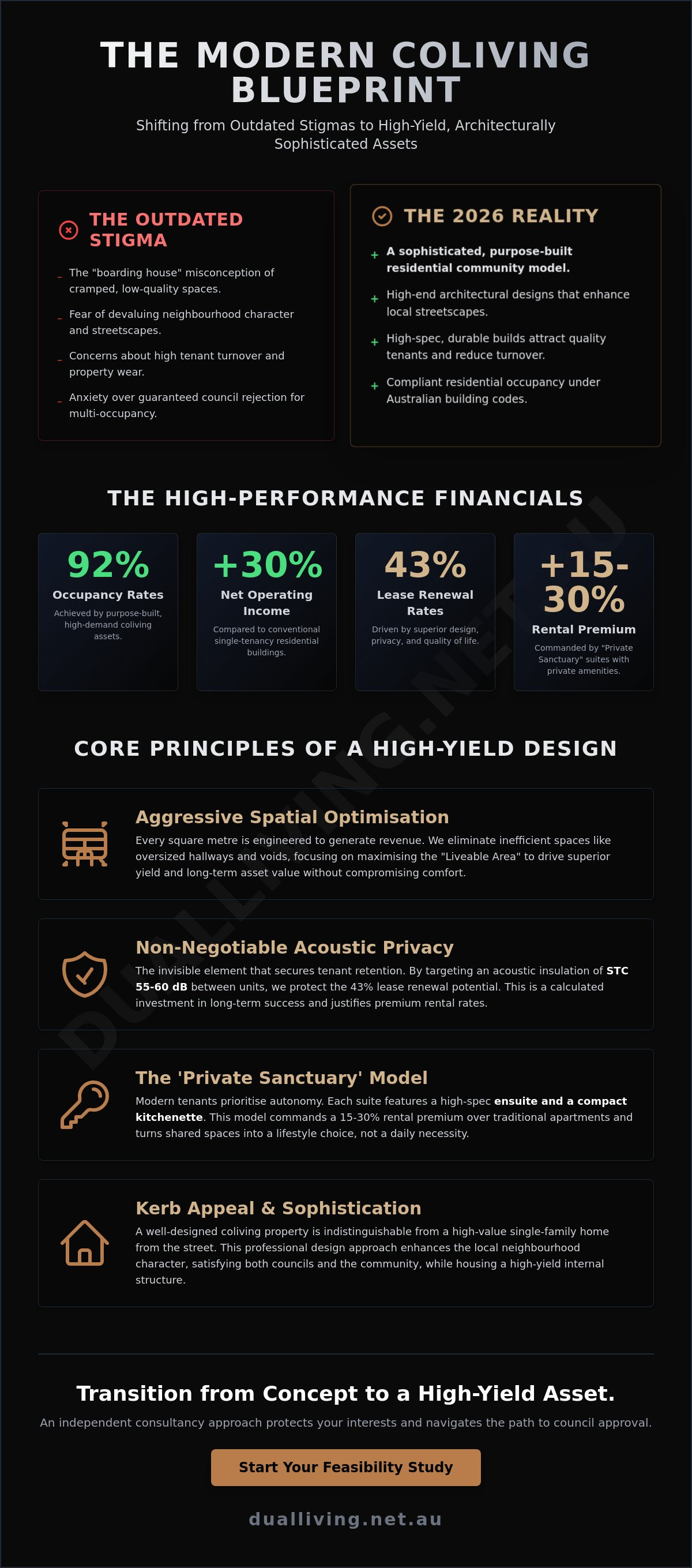
The "boarding house" stigma is dead, replaced by a sophisticated architectural strategy that outpaces traditional residential returns. While many investors still fear council rejection or the logistical weight of multi-occupancy, modern coliving house design has evolved into a calculated, high-yield asset class. Are you worried about tenant turnover or property wear and tear? It's a valid concern. However, the reality in 2026 is that purpose-built coliving assets are achieving 92% occupancy rates and delivering net operating incomes up to 30% higher than conventional buildings.
This article will show you how to move past outdated stigmas to secure high-yield property outcomes through smart design. We'll explore the strategic realities of modern layouts, from acoustic insulation standards to the optimal shared-to-private space ratios that drive 43% lease renewal rates. You'll gain a clear roadmap for your next development and the confidence to present a project that councils approve and tenants value.
Key Takeaways
- Move past the "rooming house" stigma and understand how high-spec developments actually enhance local streetscapes and neighbourhood character.
- Discover how strategic coliving house design maximises every square metre of your floor plan to drive superior yield and long-term asset value.
- Identify the essential private features, such as integrated ensuites and kitchenettes, that attract high-quality tenants and command premium rent.
- Learn why an independent consultancy approach protects your interests during the town planning application phase more effectively than builder-led designs.
- Gain a clear roadmap for transitioning from a basic concept to a high-yield residential asset that meets modern market demands.
The Boarding House Stigma: Debunking Coliving House Design Myths
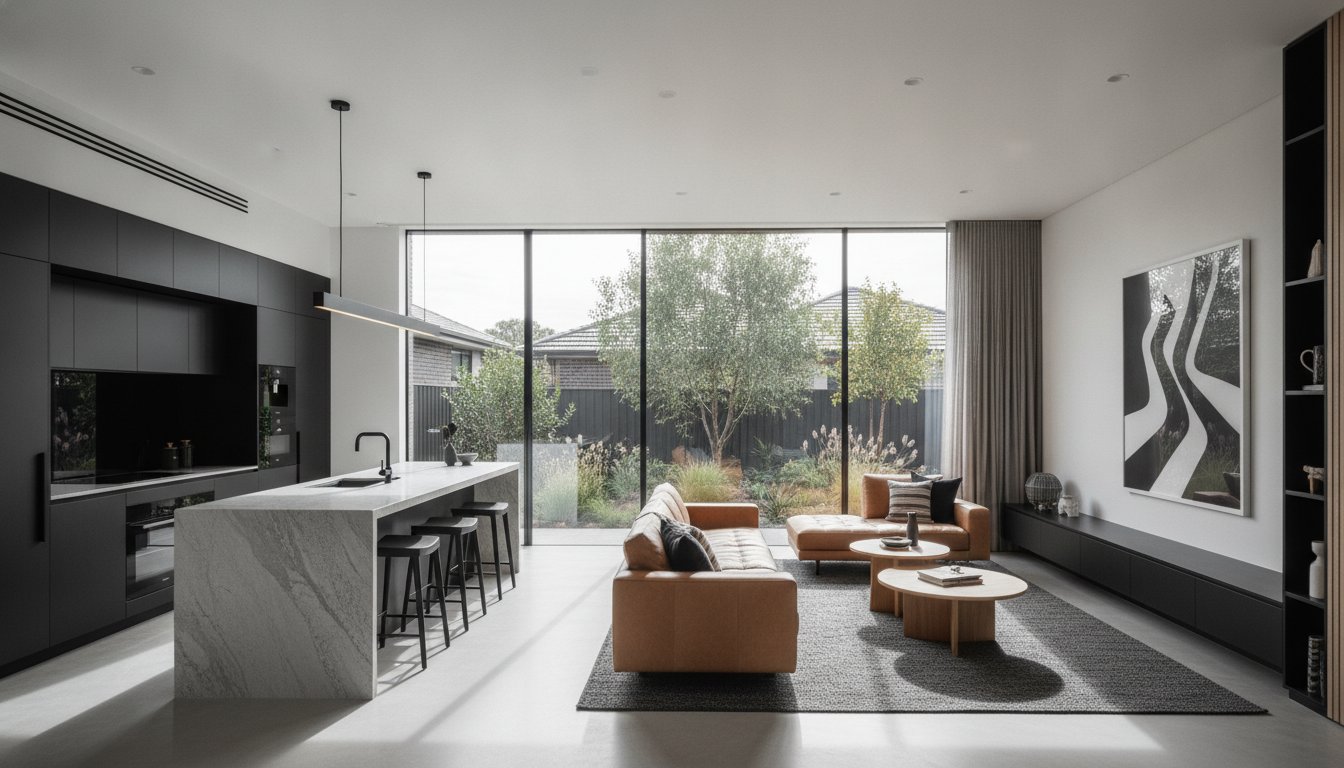
The old "boarding house" label is a relic. It has no place in a sophisticated investment portfolio. Today, coliving house design represents a purpose-built, strategic response to Australia's rental crisis. It isn't about cramming residents into a dilapidated space; it's a modern residential community model that balances private luxury with shared lifestyle amenities. When executed with precision, these properties don't devalue a neighbourhood. They enhance it.
Many investors fall into the trap of "cheap" design to save on initial capital. This is a critical mistake. Low-quality finishes attract high-turnover tenants and lead to accelerated wear and tear, eroding your long-term yield. A strategic coliving house design prioritises durability and aesthetic appeal. This ensures your asset remains competitive in a market where tenants are actively seeking high-spec alternatives to traditional rentals. Why settle for standard when you can optimise for premium?
Architectural Sophistication vs. Basic Rooming
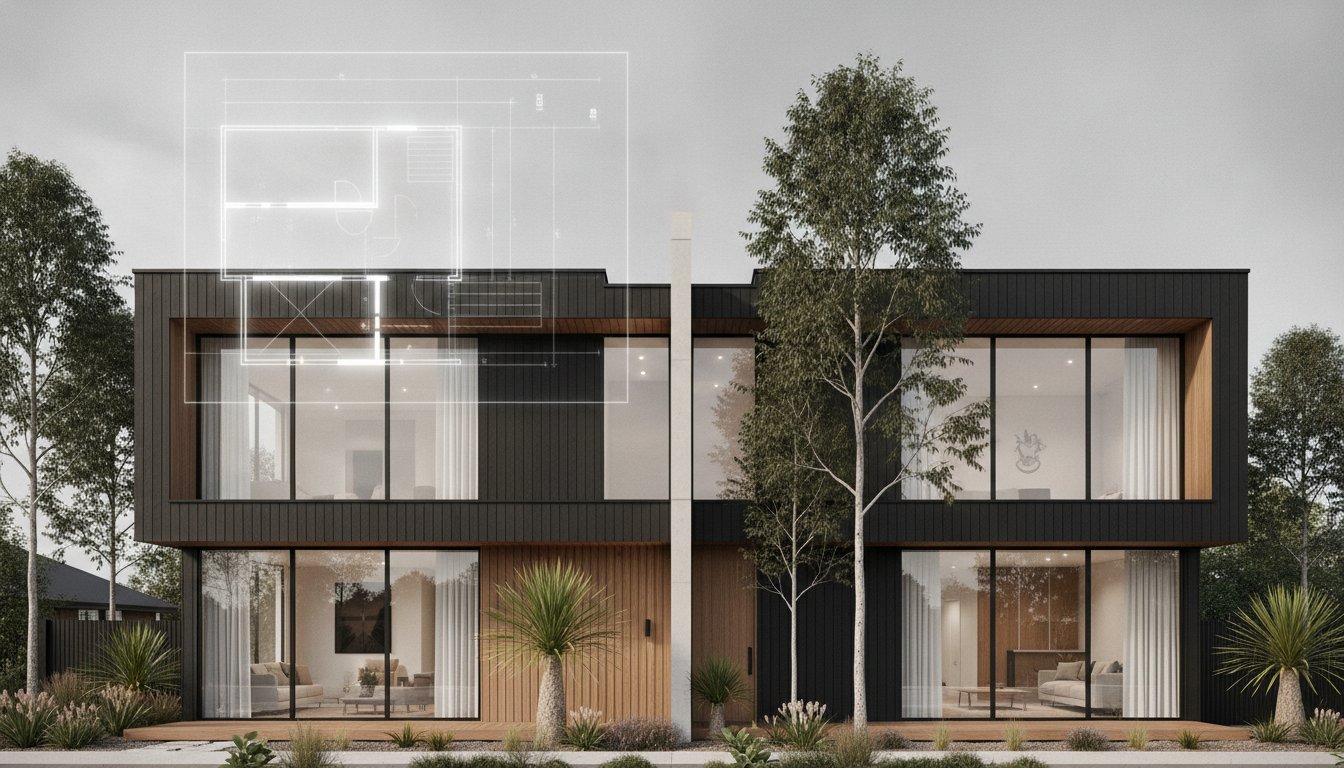
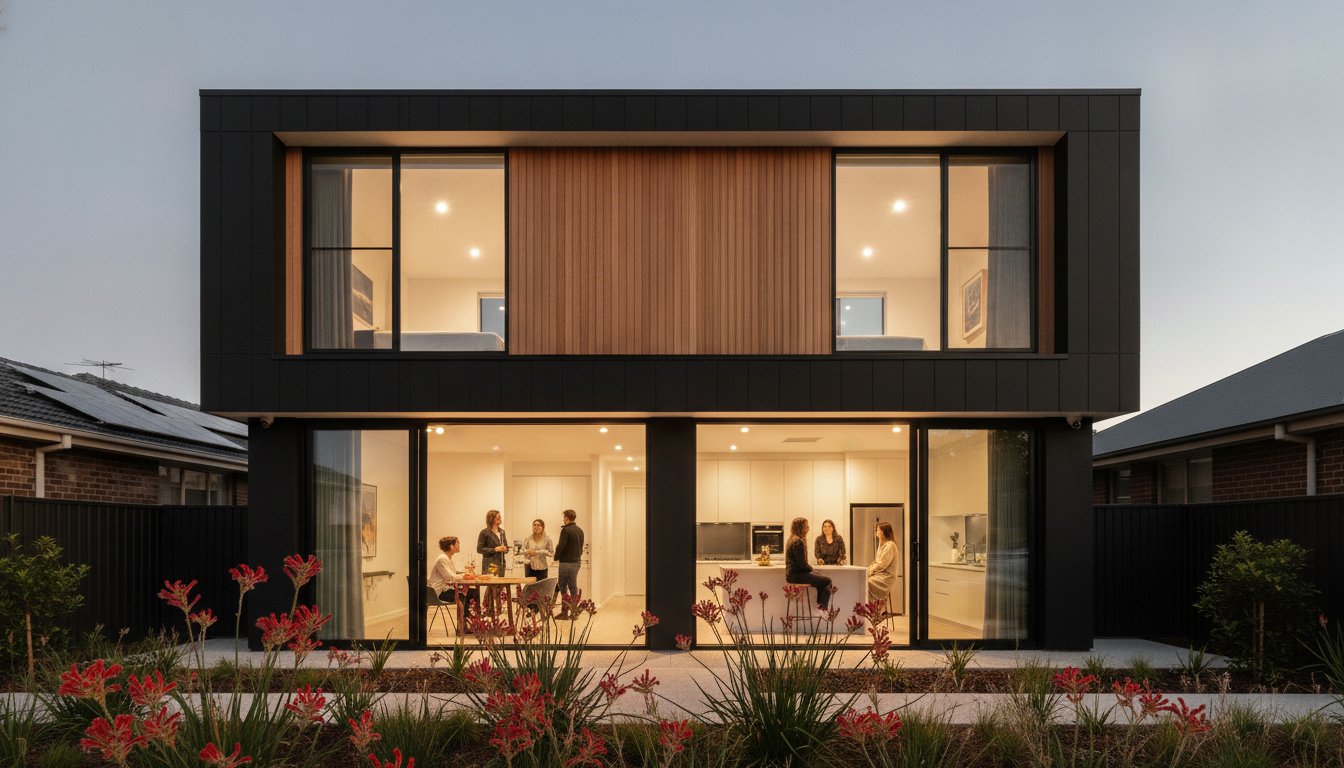
High-end coliving developments utilise "dual living" aesthetics that mirror premium residential builds. From the kerb, a well-designed coliving property is indistinguishable from a high-value single-family home. Professional design ensures the building maintains the character of the street while housing a high-yield internal structure. We focus on sophisticated floor plans that provide total privacy for residents without sacrificing the visual integrity of the local area. It's about sophisticated architecture, not just adding extra doors.
The Regulatory Reality: Zoning and Approvals
Fear of council rejection often stalls potentially lucrative projects before they begin. Success in your town planning application depends on demonstrating that the project meets local density and amenity requirements. Coliving is a compliant residential occupancy under current Australian building codes. Councils aren't looking to block growth. They're looking to block poorly planned developments that ignore the local context. Professional consultancy ensures your project is positioned as a high-quality solution to housing diversity.
The Blueprint for High-Yield Coliving House Design
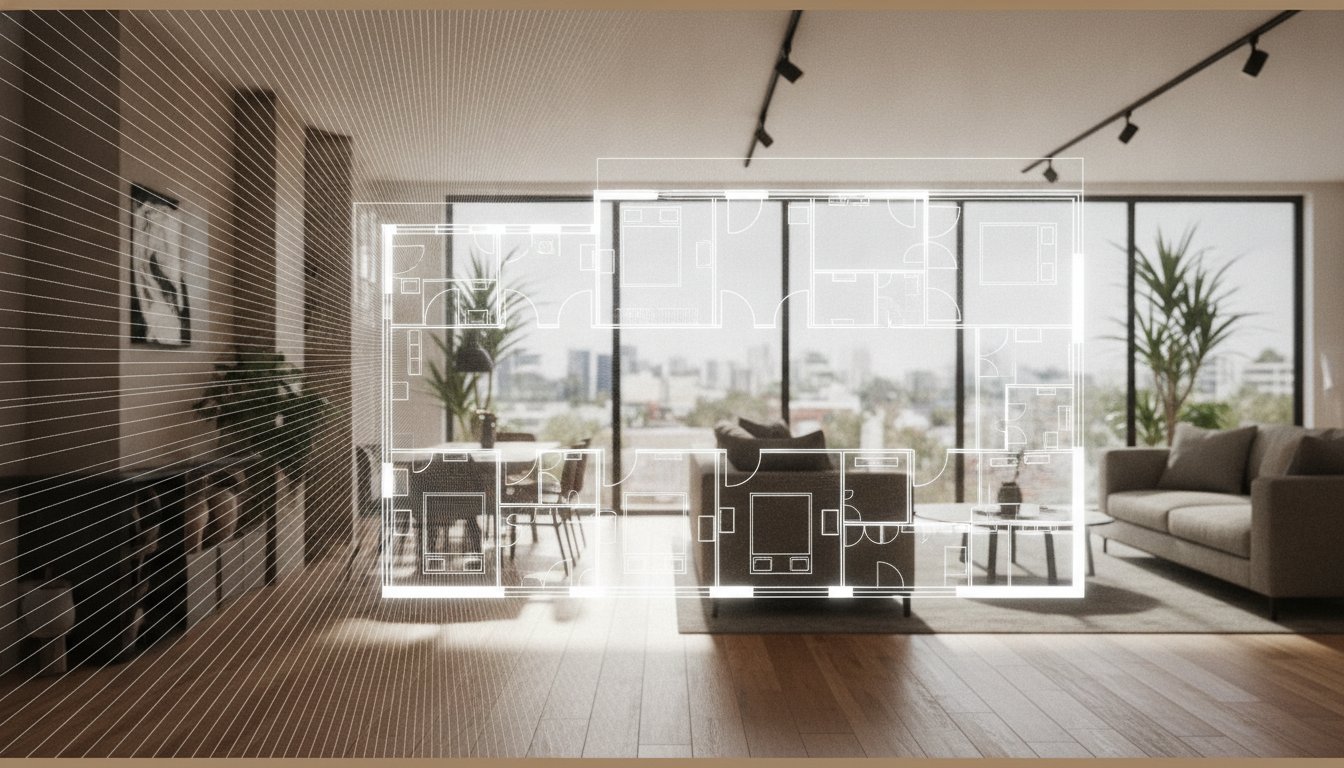
High-yield development isn't accidental. It's the result of aggressive spatial optimisation. In a strategic coliving house design, every square metre must earn its keep. Traditional residential layouts often waste space on hallways or oversized voids. We eliminate that inefficiency. By prioritising "Liveable Area", we ensure your floor plan generates maximum revenue without feeling cramped or cluttered.
Acoustical privacy is the invisible design element that determines your long-term success. According to industry standards published in April 2026, a target acoustic insulation of STC 55-60 dB between units is non-negotiable. If a resident can hear their neighbour's phone conversation, they won't renew their lease. High-spec soundproofing protects your 43% lease renewal potential and justifies premium rental rates. It's a calculated investment in tenant retention.
Private Sanctuaries vs. Shared Spaces
The "Private Sanctuary" model is what commands a 15-30% rental premium over traditional apartments. Each suite should feature a high-spec ensuite and a compact kitchenette for light food prep. While academic research on coliving design highlights the importance of social interaction, modern tenants prioritise autonomy. We design shared spaces to be functional hubs rather than "awkward common rooms" that nobody uses. This balance ensures the communal kitchen remains a lifestyle choice rather than a source of daily friction.
Future-Proofing for Different Demographics
Flexibility is key to long-term asset security. By integrating dual occupancy homes principles, you ensure the site can adapt as market demographics shift. Small tweaks, such as wider doorways or reinforced bathroom walls, can pivot your target market from young professionals to seniors without a full renovation. Ready to see how these principles apply to your block? Explore our latest coliving designs to start your feasibility study.
From Concept to Construction: The Strategic Development Path
Execution is where most investors lose their edge. You've nailed the coliving house design principles, but can you get it through council? The design phase isn't just a creative exercise. It's the most critical component of your town planning application. A well-conceived plan anticipates council objections before they're raised. It turns a potential six-month delay into a streamlined approval. Why leave your capital sitting idle because of poor planning?
Avoid the trap of builder-led design. Builders prioritising their own margins will often push for "standard" layouts that are easier to construct but deliver lower yields. Independent consultancy protects your interests. We ensure the design remains focused on your financial outcomes, not the builder's convenience. Once the design is locked, your next move is a strategic builder appointment. You need a partner who understands the specific tolerances and high-spec requirements of a coliving asset.
The Importance of Town Planning Strategy
A "no-nonsense" approach to site subdivision and density management is essential. We don't just guess what council wants; we design for it. By managing the friction during the approval process, we protect your feasibility. Your financial exit strategy relies on a property that's both compliant and highly desirable. Strategic coliving house design ensures the site's density is maximised without compromising the neighbourhood's character. It's about precision, not guesswork.
The Dual Living Advantage
Moving from "just a house" to a calculated, high-performance property asset requires end-to-end management. It's about ensuring the vision you started with is actually realised on-site. From the initial concept to the final builder selection, every step must align with your yield targets. This isn't just residential development. It's a sophisticated investment strategy designed for the 2026 market. Are you ready to stop speculating and start building for high-yield outcomes?
Maximise Your Asset's Potential
The shift toward sophisticated coliving house design is a calculated response to a changing market. You now have the blueprint to move past outdated stigmas and focus on what matters: yield, retention, and architectural value. By prioritising acoustical privacy and spatial optimisation, you aren't just building a house; you're developing a high-performance financial asset. Success in this sector requires more than a standard builder's plan. It demands a strategic approach to both council approvals and construction partners.
Don't let regulatory confusion or builder-led compromises erode your returns. Our expert town planning management and strategic builder appointment process ensure your vision is realised without the typical friction. We specialise in high-yield residential development that stands the test of time. Ready to take the next step? Optimise your property yield with a strategic coliving design from Dual Living. Your path to a superior residential outcome starts with a design that works as hard as you do.
Frequently Asked Questions
Is coliving house design the same as a boarding house?
No, modern coliving is a premium evolution of shared housing that targets a completely different demographic. While traditional boarding houses often rely on shared bathrooms and basic finishes, a strategic coliving house design prioritises private ensuites and high-end kitchenettes for every resident. It's a move from low-cost accommodation to a sophisticated lifestyle product that attracts professional tenants and higher yields.
Will a coliving design require a special town planning permit?
Yes, most councils require a specific town planning application for multi-occupancy developments. The exact requirements vary significantly between local government areas and depend on the number of residents. Success depends on proving the design meets density, parking, and amenity standards. We manage this entire process to ensure your project aligns with current Australian building codes and residential zoning laws.
Can I convert a standard house design into a coliving property?
You can, but it's often a financial compromise that limits your yield. Standard houses aren't built with the acoustic insulation or plumbing density required for multiple independent residents. Retrofitting often leads to awkward layouts that fail to command premium rents. A purpose-built coliving house design ensures every square metre is optimised for revenue and tenant privacy from day one.
How does coliving house design affect property resale value?
It typically increases value by transforming a standard residential site into a high-performance asset. Investors pay a premium for properties with established, high-yield income streams and professional management potential. Because these designs maintain the aesthetic of a premium family home, you retain the flexibility to sell to either a savvy investor or a traditional owner-occupier.