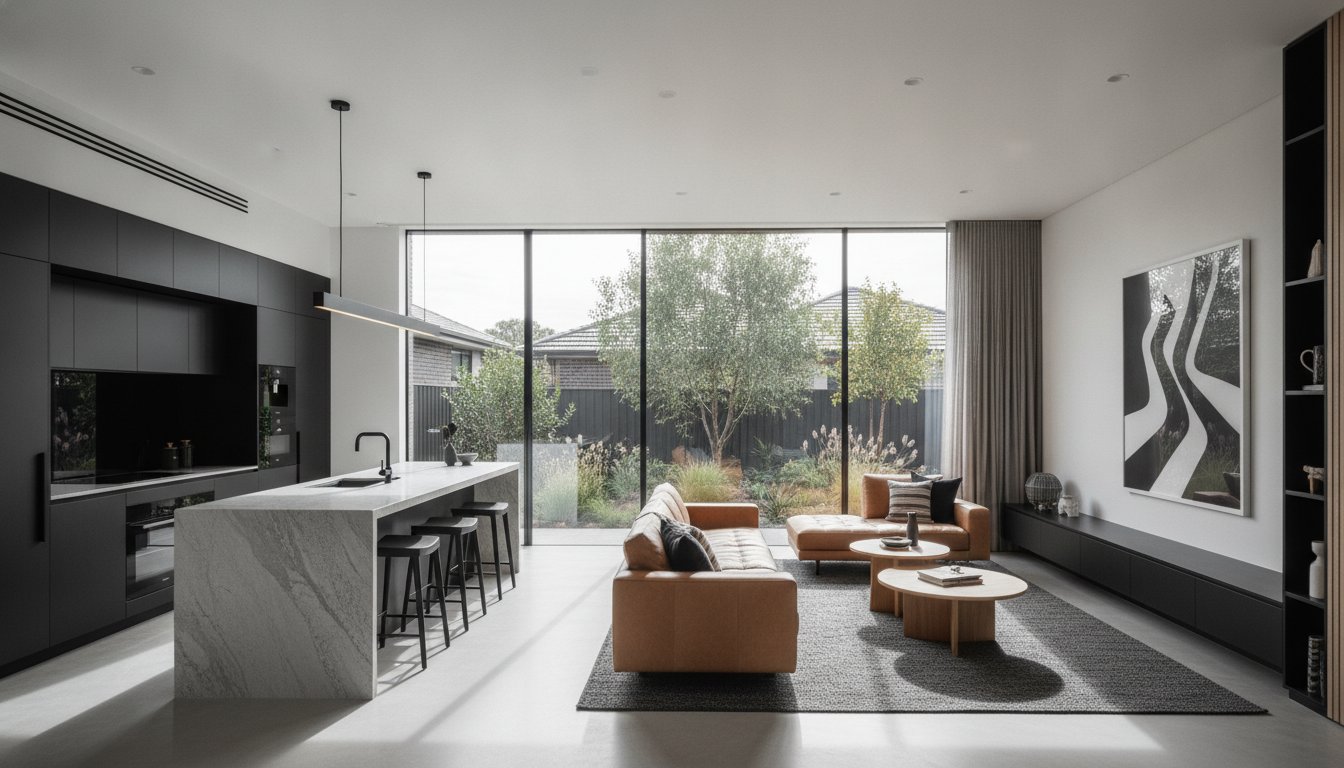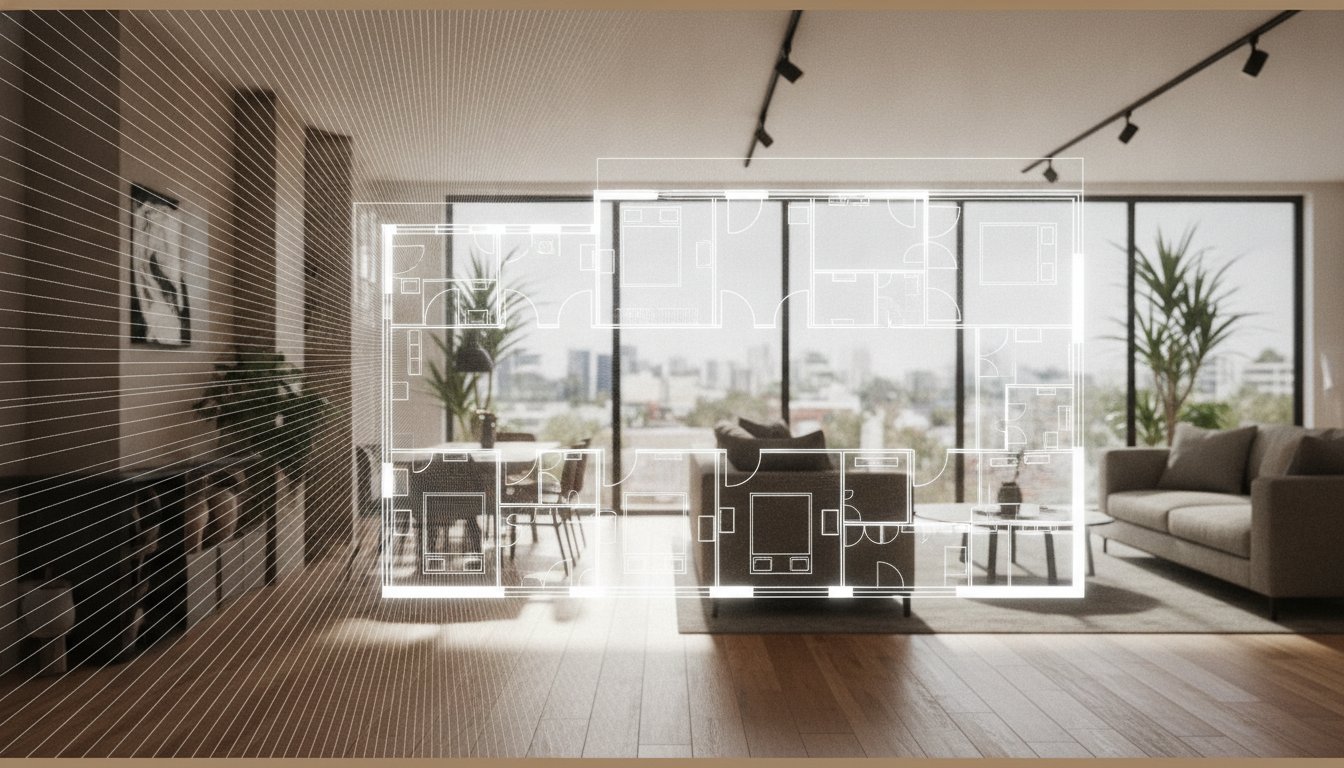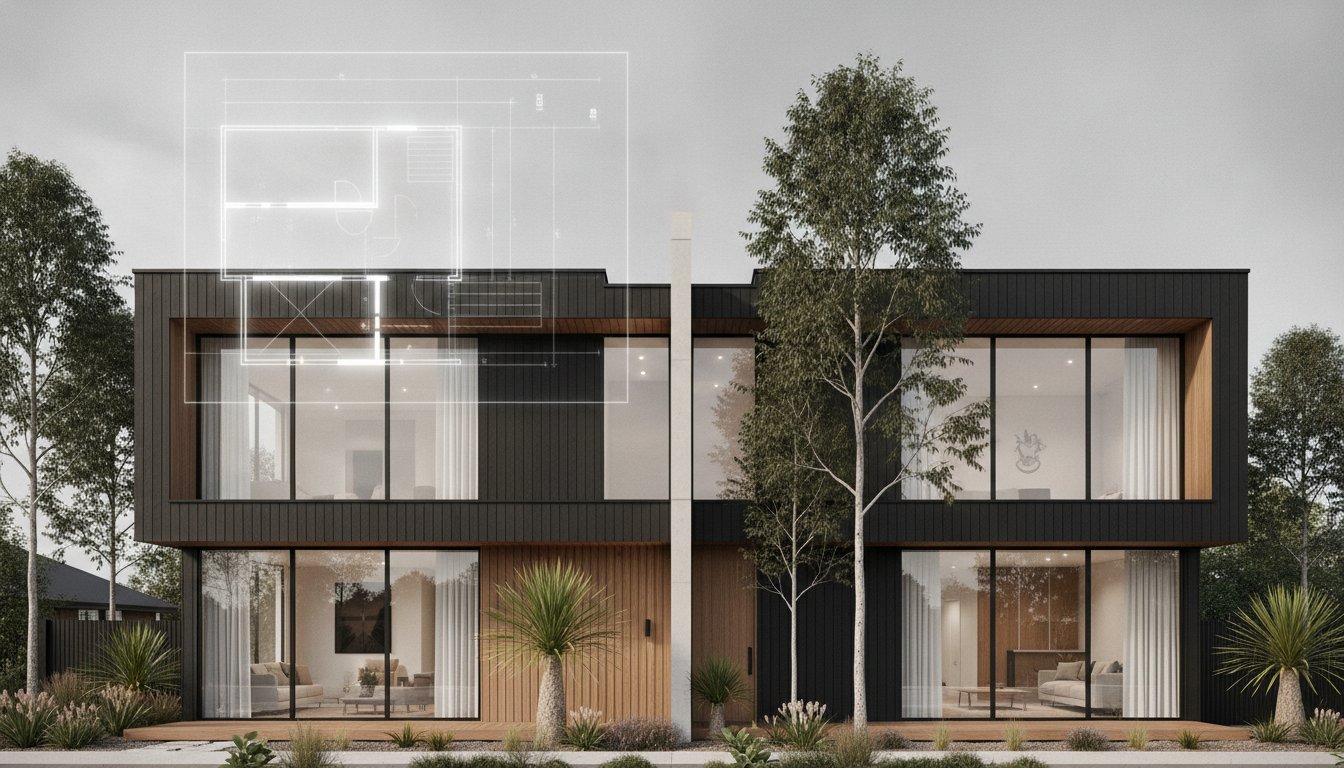
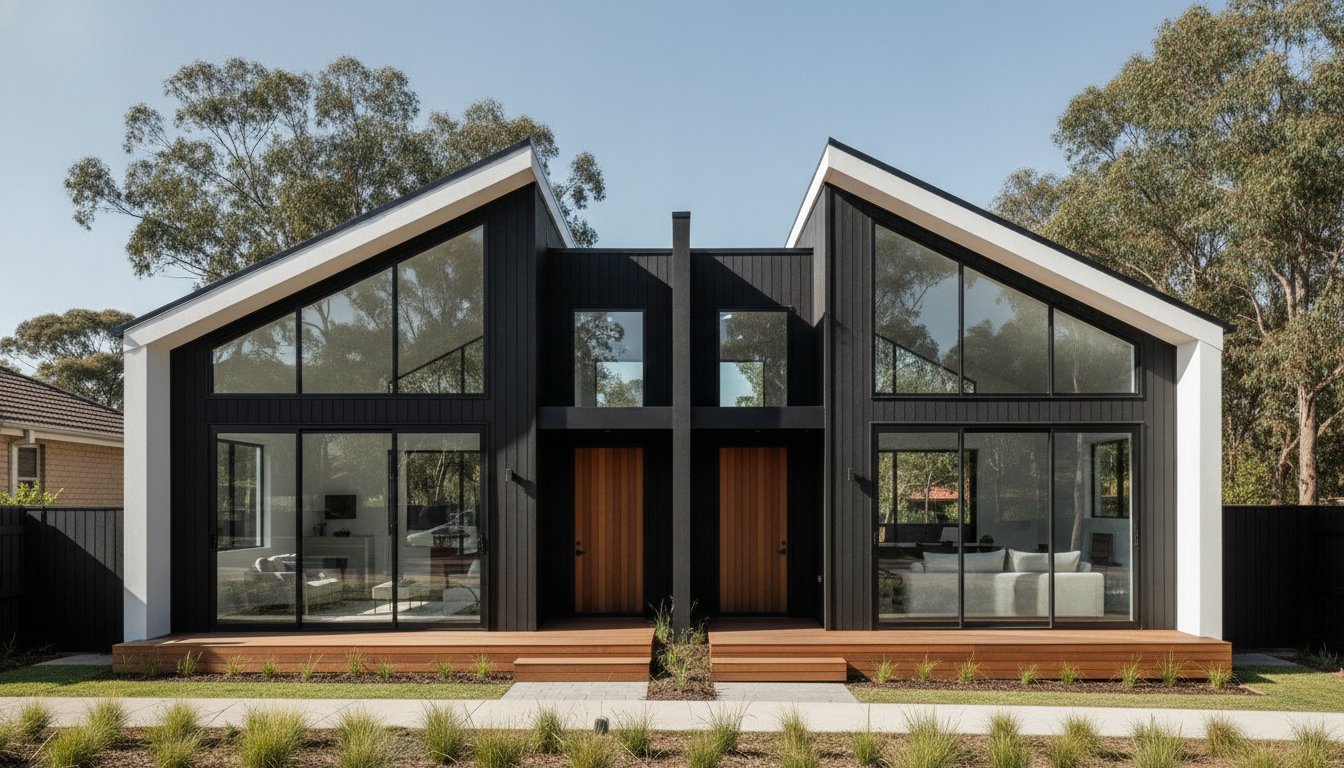
Is your backyard a hidden asset or a planning nightmare? Most property owners view dual occupancy regulations as a complex maze of red tape designed to stall progress, yet for the strategic developer, these rules are the primary data points for determining project feasibility and long-term yield.
We understand the frustration of deciphering inconsistent council requirements and the genuine fear of a rejected application after you've already committed significant capital. It's a high-stakes game where "near enough" isn't good enough. This guide cuts through the jargon to give you the professional confidence needed to master the regulatory framework and unlock your property's true development potential.
You'll gain a clear understanding of current zoning and lot requirements across Australia, from the 2025 R2 rules in NSW to Victoria's fast-tracked VicSmart process. We'll also define exactly how to distinguish between a secondary dwelling and a true dual occupancy, ensuring your next town planning application starts on solid ground.
Key Takeaways
- Identify the critical distinctions between secondary dwellings and true dual occupancies to ensure your project aligns with specific council infrastructure goals.
- Master the "Big Three" of site suitability—minimum lot size, frontage width, and land area—to navigate dual occupancy regulations with professional precision.
- Learn how to leverage Gross Floor Area (GFA) and Floor Space Ratio (FSR) to maximise your project's yield without falling foul of bulk and scale controls.
- Evaluate the strategic advantages of Complying Development pathways against standard Development Applications to significantly reduce your project's approval timeline.
- Understand the role of a town planning consultant in de-risking your investment by identifying potential regulatory roadblocks before they reach the council desk.
Defining Dual Occupancy Regulations: The Strategic Framework
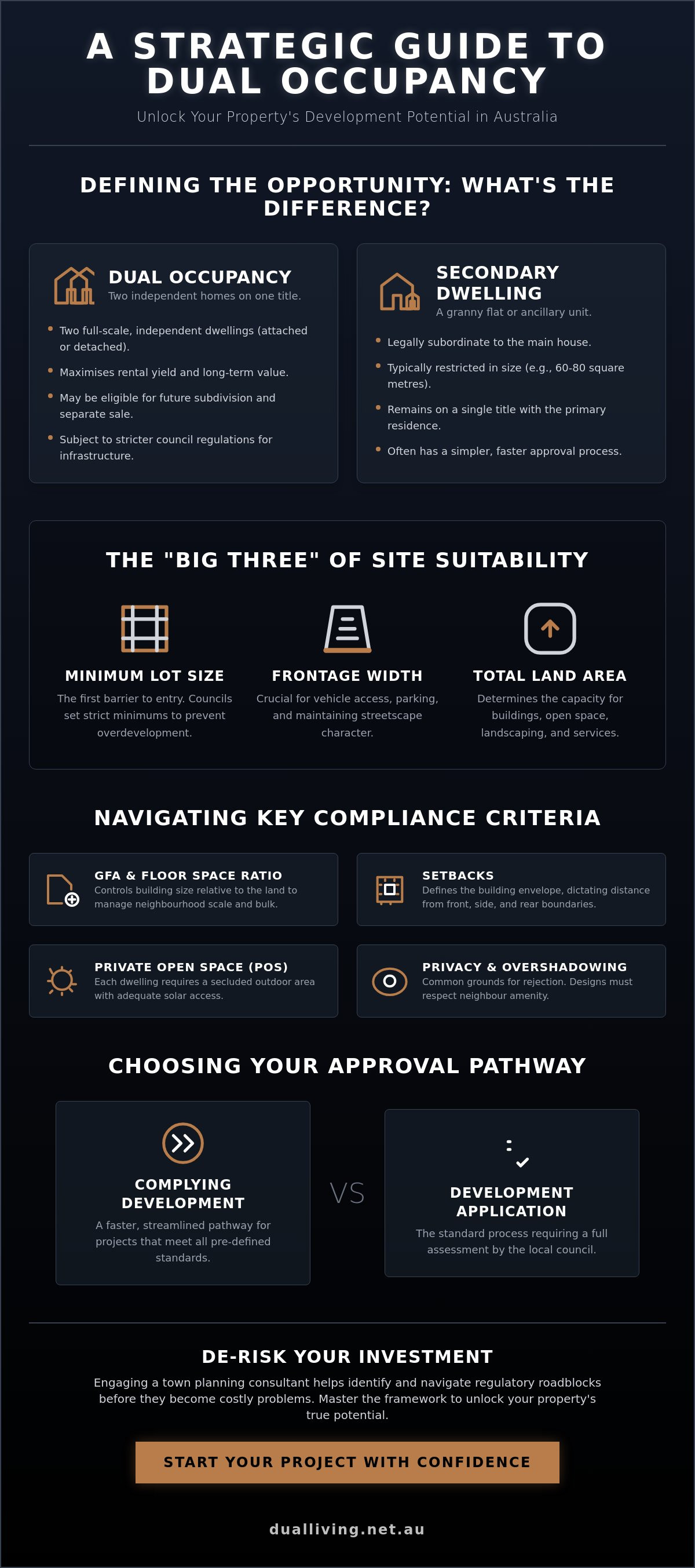
A dual occupancy isn't just a house with a spare room; it's a calculated property play involving two separate dwellings on a single title. Whether these homes are attached, like a duplex, or detached, Defining Dual Occupancy requires the understanding that both residences function as independent households. Local councils enforce dual occupancy regulations far more strictly than standard residential rules. They do this to manage urban density and ensure existing infrastructure, such as sewerage and local roads, can handle the increased load without failing.
To determine what's possible on your land, your first port of call is the Local Environmental Plan (LEP) or the equivalent state planning scheme. These documents dictate exactly what can be built, where, and under what conditions. A dual occupancy consists of two full-scale, independent dwellings on one parcel of land, whereas a single house with a granny flat remains a primary residence with a subordinate ancillary unit.
Zoning and Overlays: The First Hurdle
Zoning is the gatekeeper of your development. In most Australian states, R2 Low Density Residential zones are the traditional home for dual occupancies, though recent reforms in NSW and Victoria have broadened these horizons. However, even if your zone allows it, overlays can quickly stall a project. Heritage listings, bushfire risks, or flooding constraints add layers of complexity that require expert navigation. Conversely, if your land sits within "Next Generation" or "Infill" precincts, you'll often find more flexible regulations designed to encourage higher density in well-connected areas.
Dual Occupancy vs. Secondary Dwellings
Distinguishing between these two is critical for your financial strategy. A secondary dwelling, commonly known as a granny flat, is legally subordinate to the main house and often restricted in size, usually between 60 and 80 square metres. A dual occupancy offers two independent residences of comparable scale. This distinction impacts everything from rental yields to future exit strategies. While secondary dwellings are often restricted to a single title, some dual occupancies may be eligible for future subdivision, allowing you to sell the dwellings separately. For a deeper dive into these value-add strategies, consult our Strategic Guide to Dual Occupancy Homes: Maximising Land Value in 2026.
Key Criteria for Compliance: Size, Scale, and Site Suitability
Compliance begins with the "Big Three". You can't build a duplex on a postage stamp. Minimum lot size is the obvious hurdle, but frontage width and total land area are equally decisive factors within dual occupancy regulations. If your frontage is too narrow, you'll struggle with driveway access and car parking requirements. Planners use Gross Floor Area (GFA) and Floor Space Ratio (FSR) to control the "bulk" of your development. It's not just about what fits; it's about what the land can support. The NSW dual occupancy framework provides a clear baseline for these ratios, ensuring new builds don't overwhelm the neighbourhood.
Character of the area is the subjective wild card. Your design must visually integrate with the streetscape. An ultra-modern concrete box might fail in a heritage-heavy suburb. Think your block is too small? Don't write it off yet. Clever design and "integrated" applications can sometimes bypass standard minimums if the internal amenity remains high. Professional town planning applications often find the wiggle room that DIY submissions miss.
Setbacks and Private Open Space (POS)
Setbacks define your building envelope. Front, side, and rear boundaries dictate how far your walls must sit from the fence. Then there's Private Open Space (POS). Each dwelling needs "secluded" outdoor area, usually with specific solar access requirements. If your second dwelling casts a shadow over the neighbour's pool or looks directly into their bedroom, expect a council refusal. Privacy and overshadowing are the two most common grounds for application rejection.
Infrastructure and Services Requirements
Dual occupancies require independent living; this means separate metering for water, electricity, and gas for each household. You'll also need to solve the car parking puzzle. Most councils demand at least one or two on-site spots per dwelling to prevent street congestion. Finally, be prepared for "Contribution Payments". These Section 7.11 or 7.12 levies (in NSW) or similar infrastructure charges fund local parks and roads. They are a non-negotiable part of the dual occupancy regulations landscape.
Navigating the Approval Pathway: From Planning to Construction
Choosing the right approval pathway is a commercial decision. A standard Development Application (DA) or Planning Permit offers design flexibility but often involves a longer, more unpredictable assessment period. In contrast, "Complying Development" pathways, such as a CDC in NSW or the VicSmart process in Victoria, provide speed for projects that meet strict, pre-set criteria. Relying on dual occupancy regulations shouldn't be a gamble. A town planning consultant de-risks the process by identifying potential conflicts before they reach the council desk, ensuring your investment remains viable.
The timeline from initial site feasibility to a "Notice of Decision" can span several months depending on your local government area. Professional design is the most effective way to navigate restrictive dual occupancy regulations and secure a faster approval. It's about presenting a solution that planners find difficult to refuse.
The Role of Town Planning Applications
A successful application requires a comprehensive documentation package. You'll need site plans, elevations, and detailed shadow diagrams to prove your project won't negatively impact neighbours. Be prepared for the "Request for Further Information" (RFI) stage. This is where council planners probe for weaknesses in the design. Handling these objections with technical precision is the difference between a permit and a refusal. For a deeper look at managing this process, see our guide on Navigating Your Town Planning Application: A Strategic Guide for Developers.
Transitioning to Builder Appointment
Don't sign a construction contract too early. You should only appoint a builder after your planning permit is substantially certain. Dual occupancy specialists understand these specific regulations far better than standard volume builders. They design for density and compliance, ensuring the approved plans actually get built within budget. Choosing a specialist partner ensures your project moves from paper to reality without costly redesigns. Learn more in our guide on Strategic Builder Appointment: How to Secure the Right Partner for Your Development.
Maximising Your Land Value with Strategic Precision
Mastering dual occupancy regulations is about more than just reading a council handbook. It's about identifying the specific data points, from lot frontage to infrastructure levies, that dictate whether a site will deliver a high-yield return or a planning rejection. You now understand that site suitability and a disciplined approach to the approval pathway are the foundations of development success. Whether you're navigating the complexities of a standard DA or seeking a fast-tracked complying development, the right strategy turns regulatory hurdles into a competitive advantage.
Don't leave your property's potential to chance. We provide end-to-end development management and specialise in high-yield residential design, backed by a proven track record in town planning approvals. We take the guesswork out of the process, ensuring your project is optimised for both compliance and profit from day one. It's time to move beyond the jargon and start building with professional confidence.
Book a Strategic Consultation to assess your site’s dual occupancy potential and gain the clarity you need to move forward. Your land is a significant asset; ensure you're extracting its maximum value with a partner who understands the local landscape.
Frequently Asked Questions
Can I build a dual occupancy on a block smaller than 600sqm?
Yes, you can build on blocks smaller than 600sqm if your local planning scheme allows it. For example, while 500sqm is a standard guide in many Melbourne suburbs, some General Residential Zones permit development on lots as small as 300sqm. The key is using a design that satisfies dual occupancy regulations regarding site coverage and private open space without compromising the amenity of the site.
What is the difference between a dual occupancy and a duplex?
A duplex is a specific type of attached dual occupancy where two homes share a common wall. In contrast, dual occupancy is the broad regulatory term for any two independent dwellings on one title. This includes detached houses where the second home is completely separate. Both arrangements must comply with the same dual occupancy regulations, but detached builds often provide better privacy and easier construction logistics.
How much does a dual occupancy planning permit cost in Australia?
Regulatory costs for a dual occupancy vary significantly depending on your state and council. In Western Sydney, developer contributions typically range from $20,000 to $55,000 per dwelling as of early 2026. You must also account for state-level charges, such as the NSW Housing and Productivity Contribution, which currently sits at a discounted rate of $9,000 per new lot until June 2025. These figures exclude professional fees for town planning and design.
Can I subdivide my dual occupancy after it is built?
Approval for a dual occupancy is not an automatic approval for subdivision. You've secured the right to build two dwellings on one title, but creating separate Torrens or Strata titles requires a secondary application process. Some councils allow integrated applications where both the development and the subdivision are assessed at once. This is often the most efficient way to secure a clear exit strategy for selling the dwellings individually later.