Most property owners view residential demolition as a messy end to an old chapter. In reality, it is the most critical strategic step toward a high-yield development. If you treat it as mere destruction, you are likely to face the "known unknowns" that haunt many projects. Are you prepared for the hidden costs of asbestos removal or the bureaucratic delays of a mismanaged council permit?
You want a clean slate that is ready for construction without the headache of compliance failures or service disconnection dramas. It is natural to feel anxious about choosing an unreliable contractor who might leave your site in a state of chaos. This guide shows you how to navigate the residential demolition process to safely clear your block and unlock its full development potential.
We will examine the 2026 site preparation landscape, covering everything from Australian safety standards to the latest strategies for maximising your ROI on a new build. By the end, you will have a clear, actionable plan to transform your property into a high-value asset with total confidence.
Key Takeaways
- Treat residential demolition as a strategic site-optimisation tool rather than a simple clearing phase to ensure your block is development-ready.
- Differentiate between total site clearance and selective strip outs to align your site preparation with specific town planning requirements.
- Streamline your project timeline by coordinating essential service disconnections and securing the correct building permits before machinery arrives.
- Minimise holding costs by synchronising your demolition schedule with your broader development milestones and construction phases.
- Prepare a clean, compliant slate to unlock the full potential of high-yield projects such as duplexes or dual occupancy builds.
What is Residential Demolition and Why is it a Strategic Move?
Residential demolition is far more than a wrecking ball hitting a wall. It is the systematic demolition or razing of a dwelling to clear land for a more productive use. While many see it as destruction, savvy developers recognise it as the first stage of site optimisation. It's the moment you stop managing a liability and start building an asset.
You have two main paths. A total residential demolition clears the entire block, removing every trace of the old structure. In contrast, a "strip out" is a partial dismantling, typically used for extensions where the primary frame remains. If your goal is a modern, high-yield asset, the "clean slate" of a total knockdown is often superior. This "Knockdown Rebuild" trend is booming because it allows you to secure a premium home in an established suburb without compromising on floor plans or energy efficiency.
It's about "highest and best use". Why settle for a decaying 1960s bungalow on a large block when the land could support a more lucrative configuration? Starting fresh is often the only way to maximise land value in a competitive market.
The Renovate vs. Demolish Debate
Renovating a property with structural rot or a poor layout is often a "sunk cost" trap. If the bones are bad, the ROI simply isn't there. Site feasibility is the core metric used to determine whether the existing structure adds value or acts as an expensive obstacle. For a deeper look at the numbers, check our guide on knockdown rebuild vs renovate. Demolition often proves cheaper per square metre than complex remedial work on a failing house.
Unlocking Development Potential
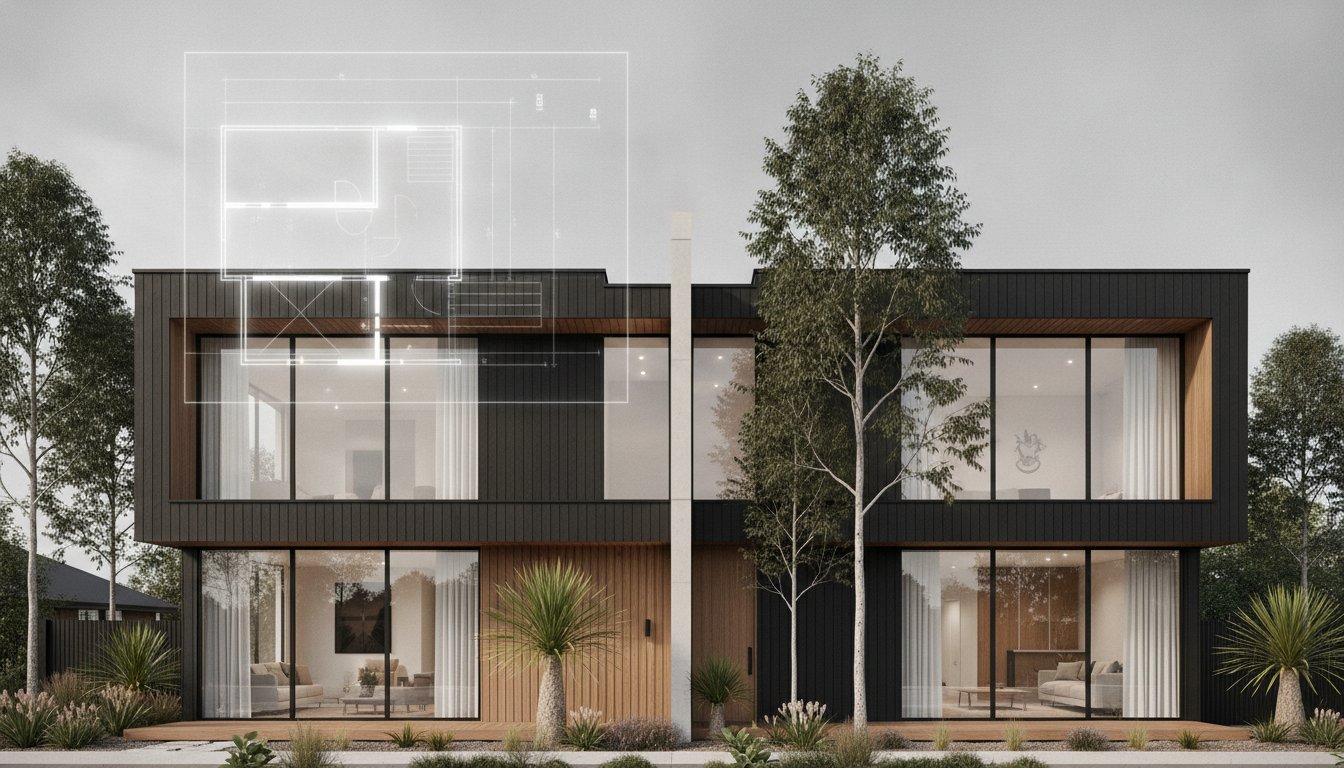
Clearing the block opens the door for dual occupancy homes that would be impossible with the old house in the way. A fresh start ensures your new architectural design isn't forced to work around awkward existing plumbing or load-bearing walls. This total control over the site layout is what drives maximum market value and rental yield. By starting with a clean slate, you avoid the design compromises that plague many multi-unit developments.
The Step-by-Step Residential Demolition Process
Execution is where strategy meets the soil. A botched residential demolition can delay a new build by months and inflate budgets with unexpected remediation costs. To keep your project on track, you must follow a disciplined, logical sequence that begins long before the first excavator arrives on site.
The first hurdle is administrative. You cannot legally touch a structure without a Building Permit for Demolition. Once secured, your focus shifts to service disconnections. This is a common bottleneck. Electricity and gas must be officially abolished at the mains, a process that often takes weeks to coordinate with providers. Water and telecommunications also require formal disconnection to ensure the site is safe for heavy machinery. Failing to manage these early leads to expensive downtime.
Safety is the next priority. An asbestos audit is non-negotiable for older Australian homes. If hazardous materials are identified, licensed professionals must remove and dispose of them according to strict safety protocols. Following EPA demolition regulations and best practices ensures your site remains compliant and avoids the heavy fines associated with environmental contamination.
Administrative and Safety Preparation
Professionalism starts at the fence line. Notify your neighbours and local council in advance to manage expectations regarding noise and vibration. You must install temporary fencing to secure the site and silt barriers to prevent debris from entering the stormwater system. These steps aren't just about being a good neighbour; they are legal requirements that protect your development from liability.
Physical Execution and Recycling
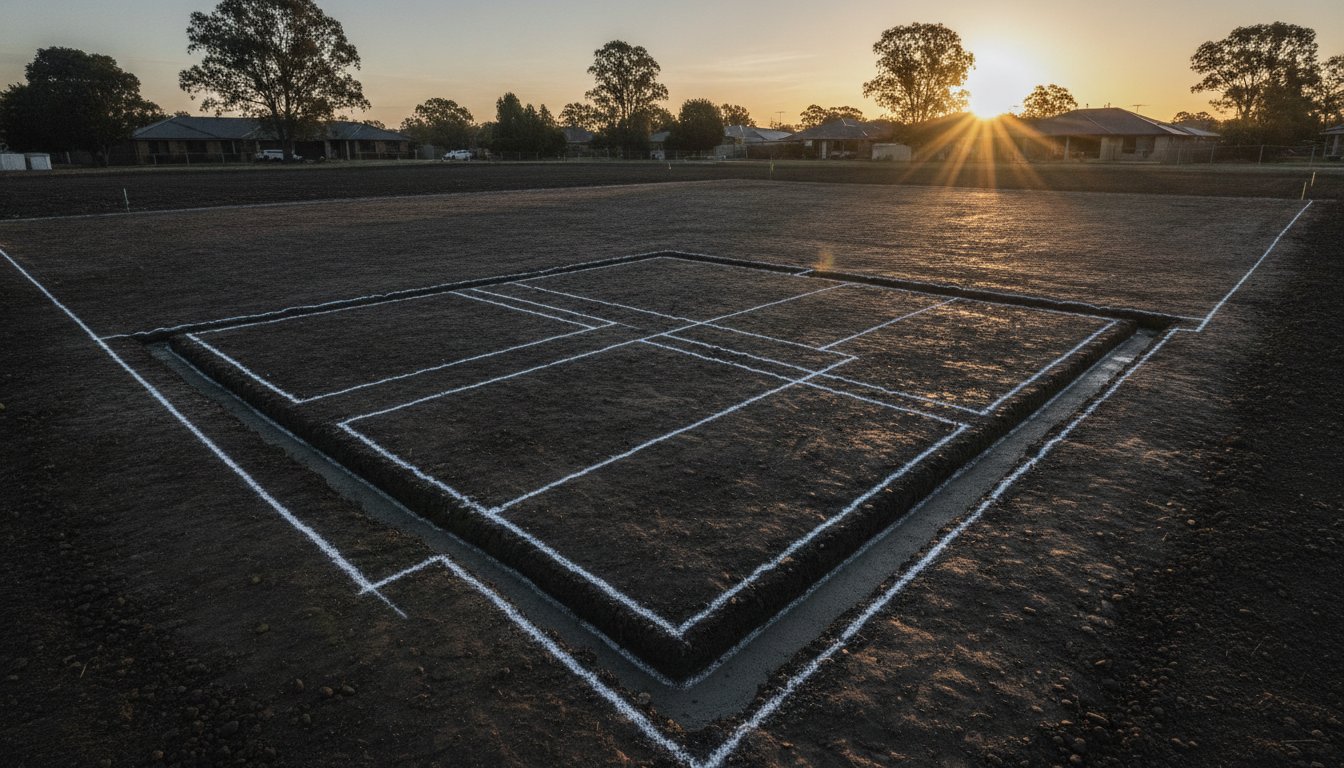
Modern demolition uses a sequential method, dismantling the structure from the roof down to ground level. Australian Standard AS 2601 governs the safety of these structures, ensuring the process is controlled and predictable. Smart developers prioritise timber recycling and concrete crushing on-site. This doesn't just reduce landfill levies; it transforms waste into reusable base material for your new driveway or slab. If you are preparing for a knockdown and rebuild, this level of site remediation is what separates a smooth project from a logistical nightmare. The goal is a level, clean block, free of old footings and ready for the slab pour.

Strategic Considerations: Preparing Your Site for High-Yield Development
Residential demolition isn't an isolated task. It is the catalyst for your town planning application and dictates the accuracy of your final site surveys. If your survey is based on an old structure, you risk errors in setbacks or drainage levels that could compromise your entire design. A clean, surveyed site is the only foundation for a high-yield development.
Timing is everything. Demolish too early, and you are left paying interest on vacant land with no rental income. Demolish too late, and you miss your window for a seamless builder appointment. Precision scheduling ensures you move from clearing to construction without burning capital on avoidable holding costs. Every week your block sits idle is a week of lost profit.
Managing this transition requires a strategic partner. Dual Living oversees the end-to-end lifecycle, ensuring your residential demolition aligns perfectly with your construction milestones. We don't just clear land; we prepare it for its highest and best use.
Integrating Demolition with Town Planning
Your demolition scope must mirror your subdivision requirements. Are you keeping a specific tree to satisfy council green-space ratios? Does a heritage overlay require you to salvage specific materials or maintain a facade? Misaligning these factors can stall your permit for months. We ensure your demolition plan is a subset of your broader development approval, preventing costly rework or council fines.
Budgeting for Demolition Success
Hidden variables destroy margins. Old underground septic tanks, massive reinforced concrete footings, or unexpected rock excavation can add thousands to the bill if they aren't identified early. Adhering to OSHA demolition safety standards during the engineering survey phase helps identify these hazards before the machines arrive. Demand a fixed-price quote. It is the only way to maintain project feasibility and protect your ROI against the "unknowns" that lie beneath the surface.
Maximise Your Development ROI from the Ground Up
Successfully clearing your block is the foundation of every high-yield project. You've seen that residential demolition is a calculated move that requires precise timing, strict safety compliance, and a clear understanding of your site's "highest and best use". By managing service disconnections and asbestos removal early, you avoid the bottlenecks that stall construction and inflate holding costs.
A clean site is just the beginning. To truly unlock a property's potential, you need a partner who understands the transition from a vacant block to a profitable asset. Dual Living provides specialised consultancy for high-yield duplex and dual occupancy projects. Our results-oriented approach focuses on end-to-end management, from town planning applications to the final builder appointment, ensuring every decision is geared toward your financial success.
Don't leave your development's success to chance. Organise a strategic development consultation with Dual Living today to ensure your project is built on a foundation of professional expertise and maximum ROI. Your modern development starts with this strategic first step.
Frequently Asked Questions
Do I need a permit for residential demolition in Australia?
Yes, you must obtain a Building Permit for Demolition before any structural work begins on your property. This is a mandatory requirement across all Australian states to ensure the work is performed safely and complies with local planning schemes. You might also require a separate planning permit if your block is subject to heritage overlays or protected vegetation orders.
How much does it cost to demolish a house for a knockdown rebuild?
The total investment for residential demolition depends on several variables including site access, the size of the structure, and the presence of hazardous materials. You need to account for permit fees, service disconnection charges, and landfill tipping levies. It is essential to secure a fixed-price quote after a thorough asbestos audit to ensure your project remains financially feasible.
How long does the residential demolition process typically take?
The physical destruction of the house usually takes between two and five days, but the administrative lead time is significantly longer. You should allow four to eight weeks for the entire lifecycle. This period covers permit applications, utility abolishments, and asbestos clearance. Efficient coordination of these stages is what prevents delays during your construction phase.
Can I manage the demolition myself to save money?
Managing a demolition yourself is rarely cost-effective due to the specialised licensing and heavy machinery required for the job. You are legally required to use licensed professionals for asbestos removal and electrical disconnections. Mistakes in compliance or site remediation can lead to heavy council fines and environmental liabilities that far outweigh any initial savings on contractor fees.