Why settle for a 3% rental return when the same block of land could yield 12% without sacrificing capital growth? With the 2026 Federal Budget removing negative gearing on established residential properties, the traditional "buy and hold" strategy is failing to keep pace. A coliving investment in Australia represents a strategic shift toward commercial-grade performance within a residential framework. It's a calculated move. You're capitalising on a national rental vacancy rate sitting at a critical 1.37%.
We know the pressure you're under. You're likely tired of stagnant yields and the headache of complex local council regulations. You want the 8-12% gross yields that coliving offers, but you don't want to build a "boarding house" that loses its resale appeal. This guide shows you how to transition from low-yield rentals to high-performance assets through strategic design and expert consultancy. We'll walk you through a managed development process that covers everything from town planning and duplex designs to builder appointment and final handover.
Key Takeaways
- Discover why room-by-room rental models consistently outperform traditional single-tenancy houses, targeting gross yields between 8% and 12%.
- Shift your strategy toward coliving investment australia to build a cash-flow-positive asset that thrives despite recent changes to negative gearing.
- Learn how to identify the "sweet spot" for site suitability by using town planning expertise to unlock a property’s highest and best use.
- Optimise your development with bespoke architectural designs that balance private sanctuaries with functional communal spaces to protect capital value.
- Master the end-to-end development process, from initial knockdown and rebuild concepts through to strategic builder appointment and final handover.
The Investment Case: Why Coliving Outperforms Traditional Residential
The traditional residential model is struggling to deliver. While the 2026 Federal Budget removed negative gearing benefits for established houses, coliving assets retain these critical tax benefits. This provides a dual advantage of cash flow and tax efficiency. A standard 3-bedroom rental in an Australian capital city typically offers a 3% to 4% gross yield. Compare this to a purpose-built coliving investment in Australia, where gross yields frequently reach between 8% and 12%. This isn't just a marginal gain; it's a fundamental re-engineering of the residential asset class.
The primary advantage lies in the room-by-room rental model. Instead of relying on one single tenancy, you're diversifying your income across multiple residents on a single title. If one tenant moves out, your cash flow doesn't drop to zero. You maintain a stable revenue stream while you fill the vacancy. This inherent risk mitigation is why savvy investors are pivoting toward What is Coliving? as a primary wealth-building tool.
Yield Optimisation vs. Standard Capital Growth
Standard residential investment relies heavily on capital growth to offset poor cash flow. Coliving flips this script. By targeting high-yield performance, you're building an asset that pays for itself from day one. To ensure long-term security, we focus on Class 1b certification under the National Construction Code. This classification provides the legal framework for shared accommodation. It ensures your coliving investment in Australia is compliant, insurable, and attractive to institutional-grade valuations.
Meeting the Demand of the Modern Australian Tenant
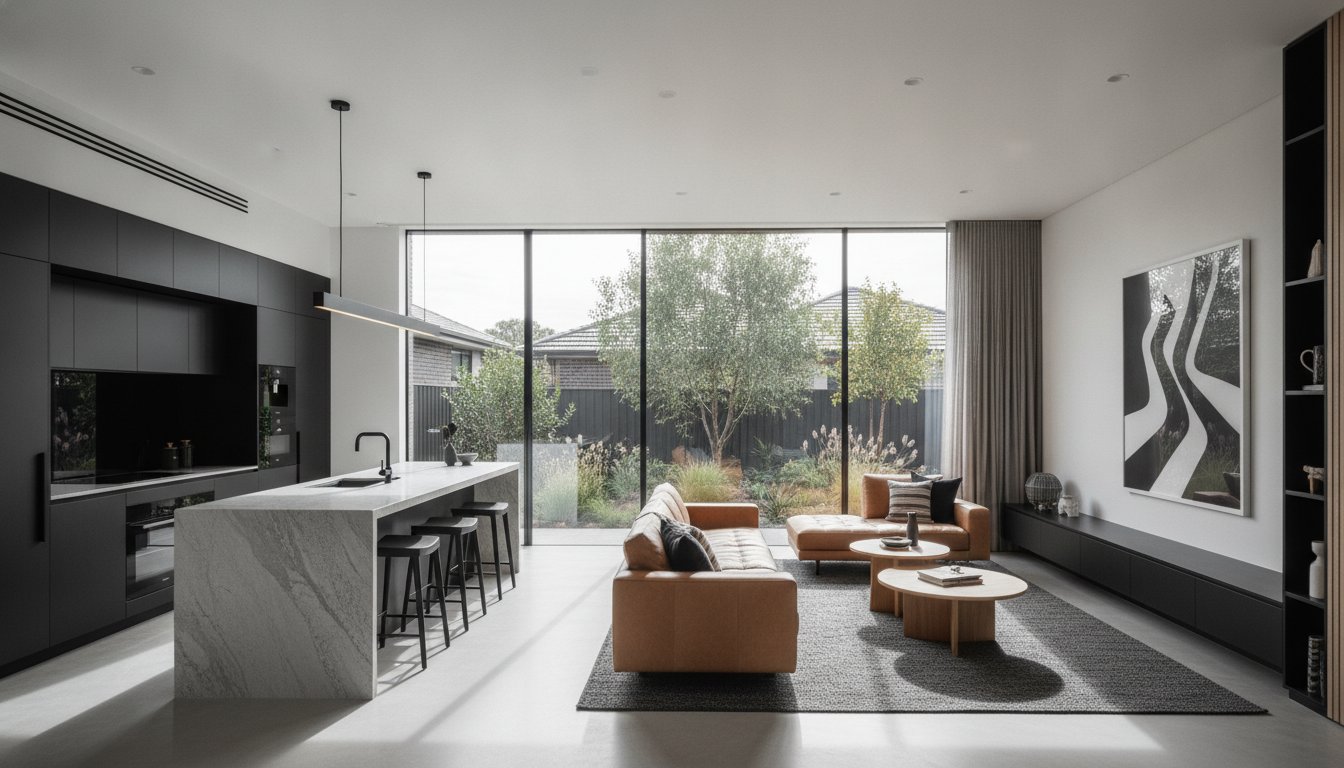
Demand is being driven by a national rental vacancy rate that hit 1.37% in May 2026. Tenants are no longer satisfied with cramped share-houses. Modern renters, including young professionals and FIFO workers, want privacy and convenience. Our designs prioritise private ensuites and high-end communal zones. By offering a premium product, you reduce turnover and command higher rents than a standard house ever could. For those launching such high-end projects, corporate event management melbourne provides the expertise required to showcase these assets to potential investors. It's a pragmatic response to a housing crisis that shows no signs of slowing down.
Evaluating Site Suitability: The Strategic Consultant’s View
Successful property development isn't about hope. It's about data. Identifying the "sweet spot" for a coliving investment in Australia requires a forensic look at land size, zoning, and proximity to transport hubs. While some investors look for regional deals, the Australian co-living market remains heavily focused on capital city fringes where demand is inelastic. We often compare these projects to dual occupancy homes. Both strategies maximise land value, but coliving pushes the yield ceiling much higher by increasing density without increasing title complexity.
Navigating Town Planning and Regulatory Hurdles
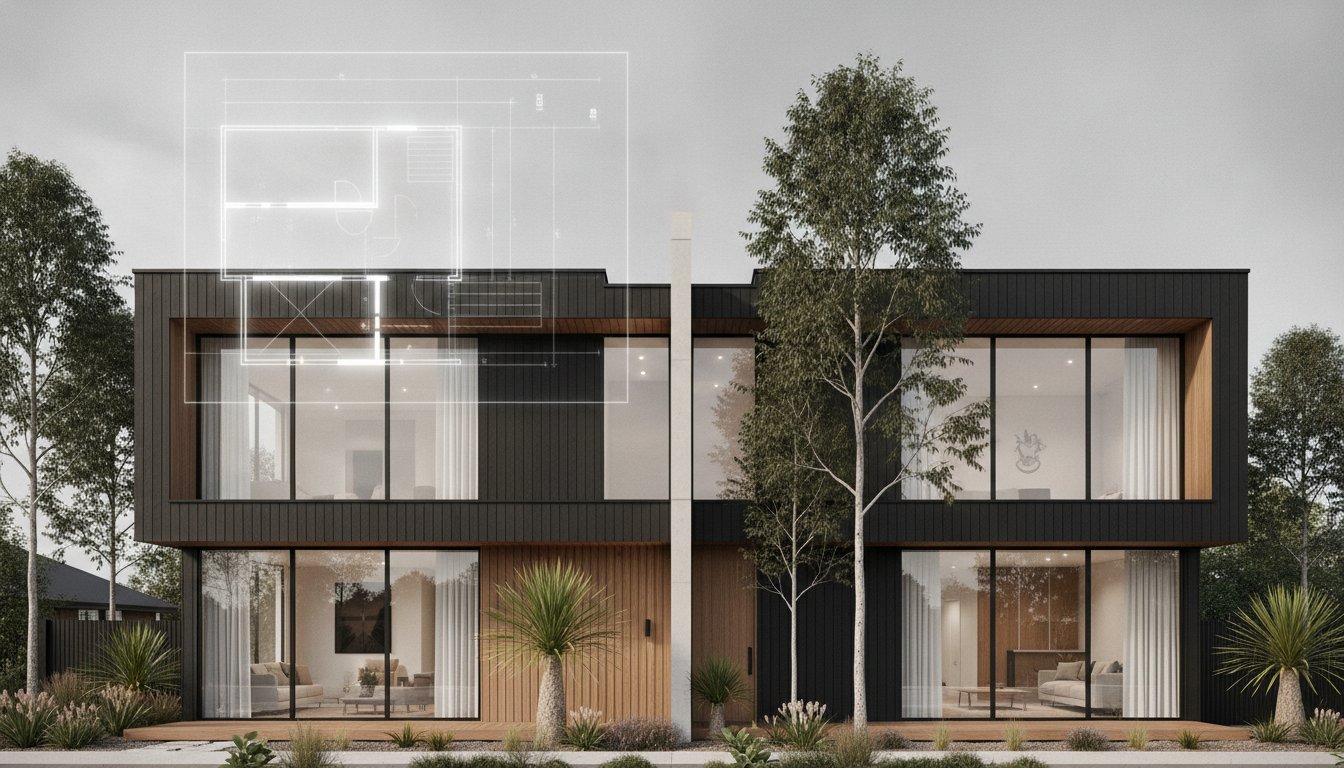
Standard "off-the-shelf" house plans will almost certainly fail at the council level. Restrictive Australian councils are wary of density and parking issues. A strategic town planning application is your most powerful tool here. It must address local character and infrastructure loads before they become roadblocks. Our bespoke approach ensures that your design meets Class 1b requirements while still feeling like a premium residential home. This balance is critical for securing approvals in competitive middle-ring suburbs.
Feasibility and Risk Management
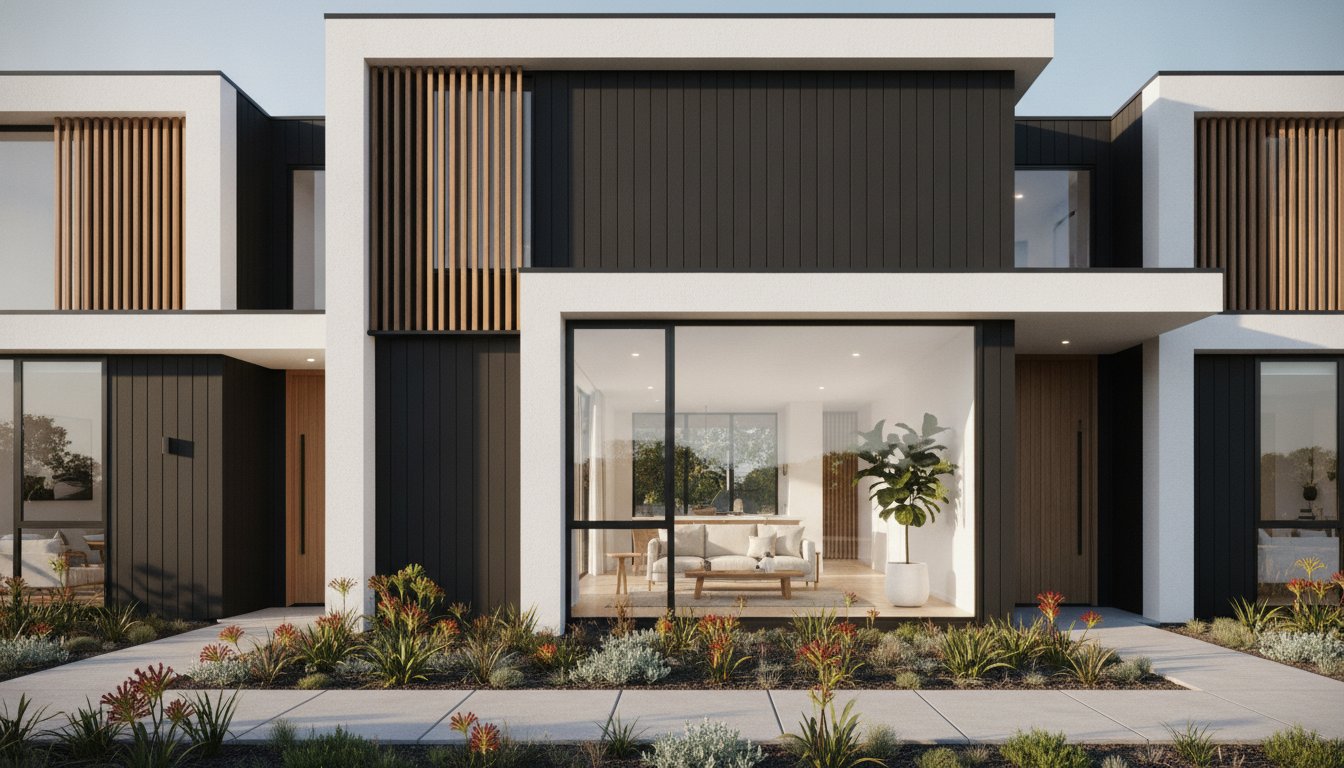
ROI isn't just about rental income. It's about what's left after you navigate easements, overlays, and infrastructure contributions. A professional feasibility study identifies these site-specific constraints before you commit to a knockdown and rebuild. One of the biggest risks is building something that looks and feels like a "boarding house". This can strip away capital value. High-end coliving focuses on architectural merit and tenant experience. If you're unsure if your block fits the criteria, a quick site assessment can clarify your options immediately. We look for sites that allow for the highest and best use while protecting your long-term exit strategy.

Executing the Development: Design, Planning, and Builder Appointment
Execution is the bridge between a high-yield concept and a tangible asset. Many investors fall into the trap of builder-led "turnkey" packages. These often carry hidden margins and lack the site-specific flexibility required for a truly optimised coliving investment in Australia. By engaging an independent consultant, you maintain a necessary "check and balance" throughout the end-to-end development lifecycle. From initial concept to the final certificate of occupancy, every decision should prioritise your ROI, not the builder's convenience.
Architectural Design for High-Yield Performance
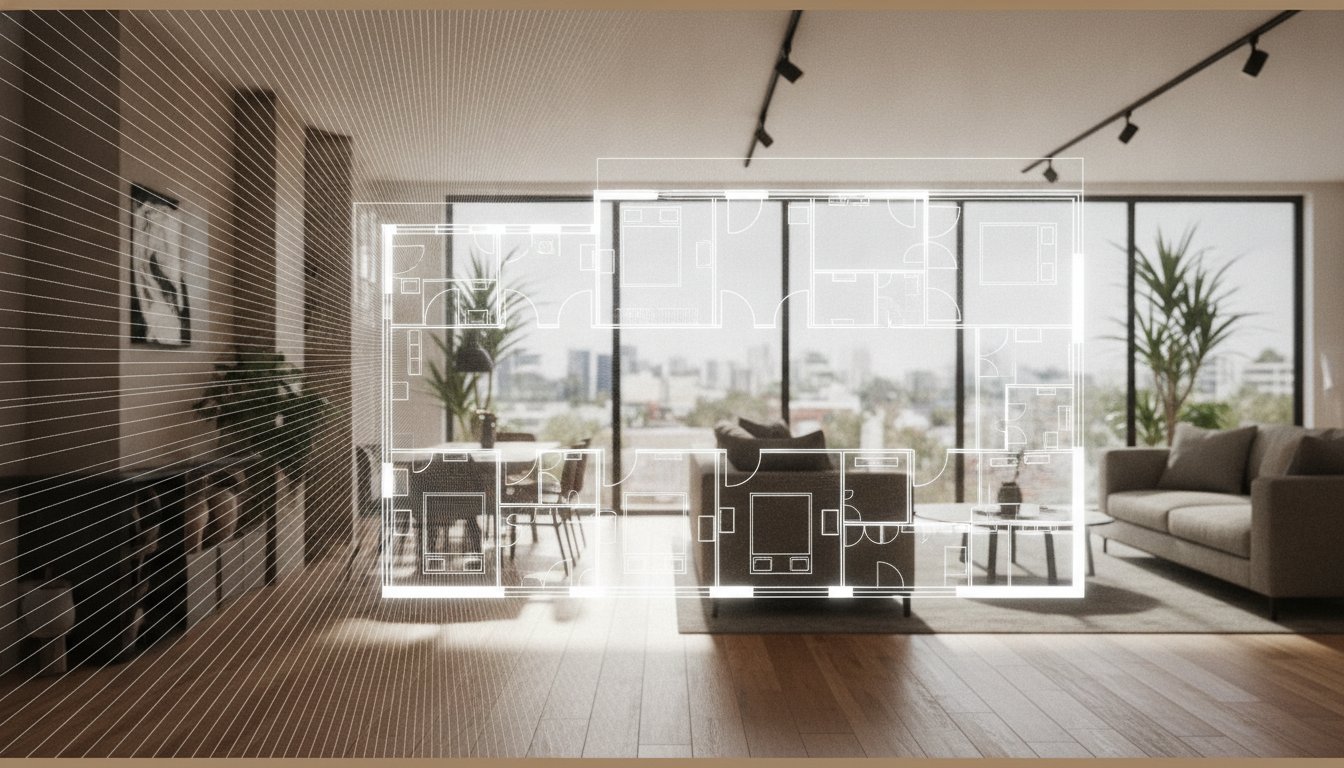
Yield performance is built into the floor plan. We don't just add bedrooms; we engineer private sanctuaries. This means optimising layouts to include ensuites for every room without sacrificing the flow of communal zones. Smart design choices like superior acoustics and integrated storage aren't just luxuries. They are essential for commanding premium room rates and ensuring long-term tenant retention. As noted in a recent JLL report on co-living investment, the maturity of the sector is driving a flight to quality. Purpose-built assets that offer a superior living experience will always outperform generic conversions.
Independent Builder Appointment and Tender Management
The construction phase is where most risks materialise. A strategic builder appointment is the final piece of the puzzle. We manage a competitive tender process to ensure you're paying market-leading build costs, not a premium for a "package". It's vital to secure a partner with specific experience in Class 1b structures. These projects have unique fire safety and accessibility requirements that standard residential builders often miss. Managing this process independently ensures that quality is delivered on time and within budget, protecting the integrity of your coliving investment in Australia.
Secure Your High-Performance Property Future
Transitioning from a standard rental to a high-performance asset is a strategic necessity in today's shifting market. Success isn't found in off-the-shelf plans or builder-led packages. It's found in bespoke architectural design and a forensic approach to town planning. By focusing on Class 1b compliance and purposeful communal spaces, you protect both your cash flow and your long-term capital value. A successful coliving investment in Australia is a calculated play on density and lifestyle, turning a single block into a diversified income engine.
We provide the specialist consultancy required to navigate this complex landscape. From initial site feasibility to end-to-end management and builder appointment, our team ensures your development remains on track and on budget. We bring deep expertise in navigating restrictive Australian town planning regulations to unlock the highest and best use of your land. Don't leave your yields to chance. Book a strategic feasibility consultation for your coliving project today. The demand for modern, shared living is only growing. It's time to build the asset your portfolio deserves.
Frequently Asked Questions
Is coliving legal in all Australian states?
Yes, coliving is legal across Australia, though the regulatory framework varies significantly between states. Most developments are classified as Class 1b under the National Construction Code. NSW currently offers the most streamlined planning pathways, while other states like Victoria have updated their rooming house regulations as of 2026. It's a matter of navigating local environmental plans and zoning to ensure your project meets specific council requirements for shared accommodation.
What is the difference between coliving and a boarding house?
The difference lies in the design intent and tenant demographic. Traditional boarding houses often prioritise high-density, low-amenity living for vulnerable groups. In contrast, a modern coliving investment in Australia focuses on high-end, purpose-built suites with private ensuites and premium communal zones. It's a strategic move away from budget accommodation toward a lifestyle-led product that attracts young professionals and commands higher rents while protecting capital value.
How much more does it cost to build a coliving property compared to a standard house?
Expect higher construction costs due to the increased complexity of Class 1b fire safety requirements, extra plumbing for ensuites, and superior soundproofing. While a standard residential build might range from $2,000 to $3,200 per square metre, coliving requires a larger upfront investment in infrastructure. However, the performance gap is the real metric. You're trading slightly higher build costs for gross yields of 8-12% compared to the 3-4% seen in traditional houses.
Can I convert an existing house into a coliving investment?
Conversions are possible but often prove inefficient from an ROI perspective. Standard residential layouts rarely meet the strict fire safety and accessibility standards required for Class 1b certification without costly structural changes. A knockdown and rebuild approach is generally the more pragmatic choice. It allows you to optimise the floor plan for maximum yield and ensures the asset is future-proofed against evolving building codes and tenant expectations.