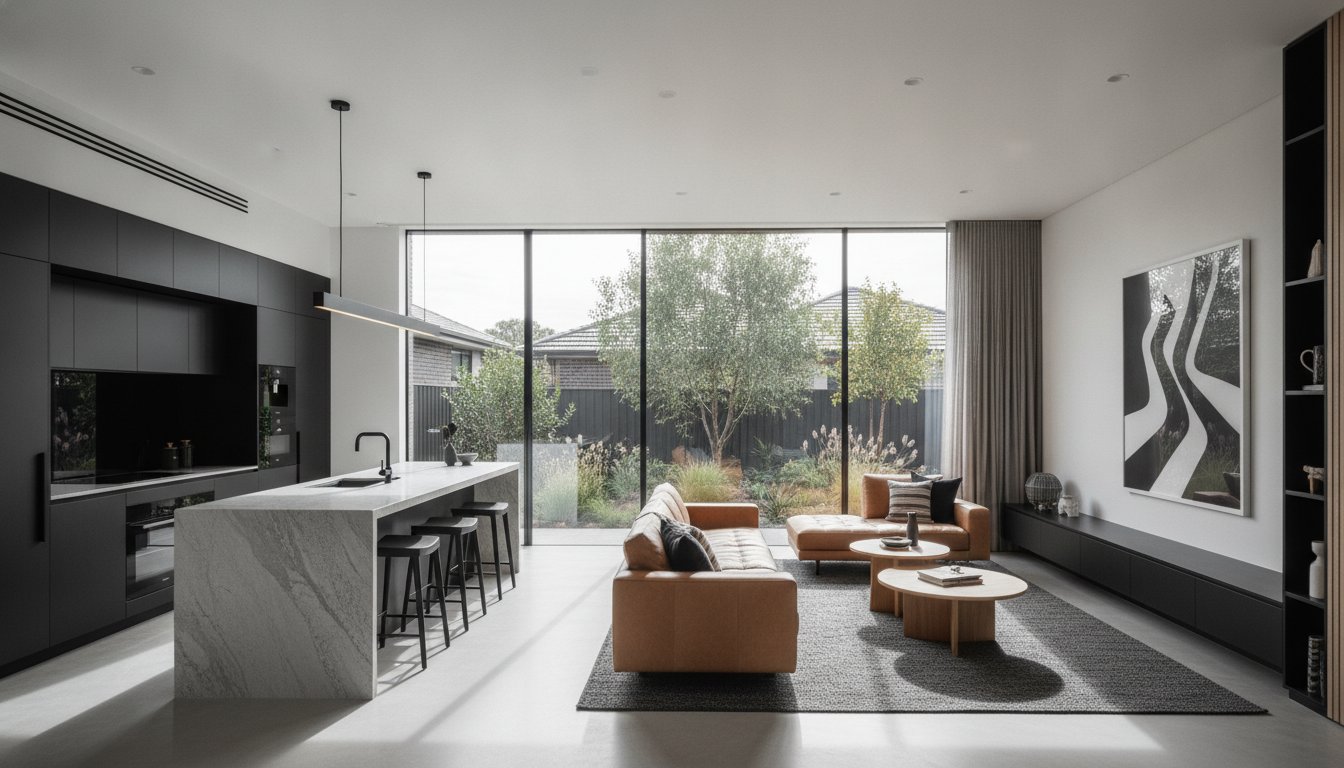
Why are you still settling for a 3% yield when the Australian market is desperate for smarter density? Traditional residential investments are stalling; meanwhile, the high barriers to entry for commercial assets leave many investors stranded. You've likely felt the frustration of stagnant rental growth while holding costs continue to climb. The roi on coliving property is now the clear alternative, with gross yields reaching up to 15% for those who understand how to manufacture value rather than just wait for it.
This guide provides a strategic framework to help you navigate the evolving 2026 landscape. We'll show you how to leverage specific design choices and expert town planning, such as the 10% floor space ratio bonus in NSW, to maximise your bottom line. You'll learn why the most successful investors focus on the "compliance moat" to secure their position. We're moving past vague promises to look at the hard data, giving you a clear path to calculating returns and the confidence to execute high-density projects with precision.
Key Takeaways
- Shift your perspective from traditional single-tenancy to a per-room revenue model to capture significantly higher yields in a high-demand rental market.
- Navigate the complexities of council approvals by using strategic design to manufacture a superior roi on coliving property through density bonuses.
- Protect your investment margins by securing a specialised builder appointment rather than relying on standard residential contractors who lack high-density experience.
- Build with confidence by following a clear framework that moves from initial feasibility to final execution without the usual planning headaches.
The Economics of Coliving: Why Per-Room Yields Outperform Traditional Rentals
Traditional residential investment models are hitting a ceiling. With the Reserve Bank of Australia cash rate holding at 4.35% in June 2026, the gap between mortgage costs and standard rental income has narrowed dangerously. Investors relying on a single-tenancy "whole-of-house" model often find themselves with yields as low as 3% or 4%. This is where the co-living residential model provides a distinct competitive advantage. By shifting from a single lease to a per-room revenue structure, you're no longer limited by what one family can afford. You're tapping into the combined paying power of several independent professionals.
The demand for this model is driven by a perfect storm in the 2026 rental market. Urban vacancy rates remain below 2% in major hubs like Melbourne, and building cost inflation has stabilised at 3.7% annually. Young professionals and key workers are prioritising affordability and flexibility over square footage. They're looking for all-inclusive living that cuts out the stress of managing multiple utility bills and housemate disputes. This "Coliving Premium" allows you to charge more per square metre than a traditional flat because you're selling a frictionless lifestyle. While a standard house might struggle to cover its own holding costs, a strategic roi on coliving property can reliably target 7% to 10% or more through densified occupancy.
Calculating the "Net" in Your ROI
Gross yields look great on a spreadsheet; the net figure determines your actual financial freedom. Coliving involves higher operational overheads than a standard rental, including high-speed internet, regular professional cleaning, and shared utility costs. In a coliving context, Net Yield is the total annual room revenue minus all operating expenses and management fees, expressed as a percentage of your total project cost. Professional consultancy ensures your feasibility study isn't just guesswork. We account for every variable, from increased wear and tear to specialised insurance, ensuring your manufactured yield is sustainable for the long haul.
Capital Growth vs. Rental Yield
A common misconception is that high-yield assets must sacrifice capital growth. Most coliving projects are built on standard residential blocks in high-demand, high-amenity suburbs. This means the underlying land value continues to appreciate alongside the broader Australian market. Our strategic "Dual Living" designs provide an exit strategy that most commercial assets lack. If you decide to sell, the property can pivot back to a premium family home or a dual occupancy residence, appealing to owner-occupiers and investors alike. You get the cash flow of a commercial asset with the safety and growth profile of a residential one.
Strategic Design and Town Planning: The Real Levers of ROI
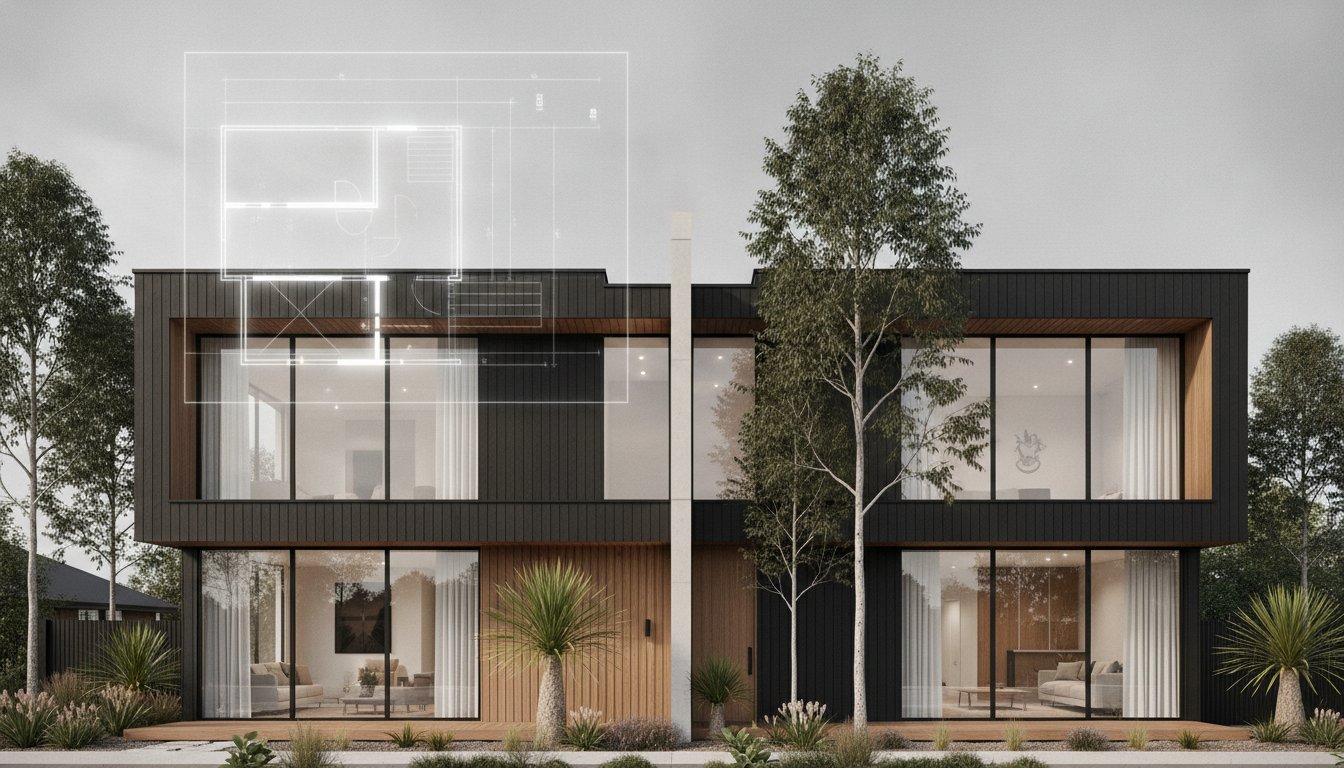
"Can I actually get this through council?" This is the hurdle where most high-yield projects stall. In reality, town planning applications aren't just administrative hurdles; they're the strategic gatekeepers to your roi on coliving property. Success in 2026 depends on your ability to navigate local residential zoning to maximise suite counts without triggering a commercial classification. For example, savvy developers in NSW are already leveraging the 10% floor space ratio (FSR) bonus specifically designed for co-living housing. If you aren't designing to capture these density incentives, you're essentially leaving profit on the table.
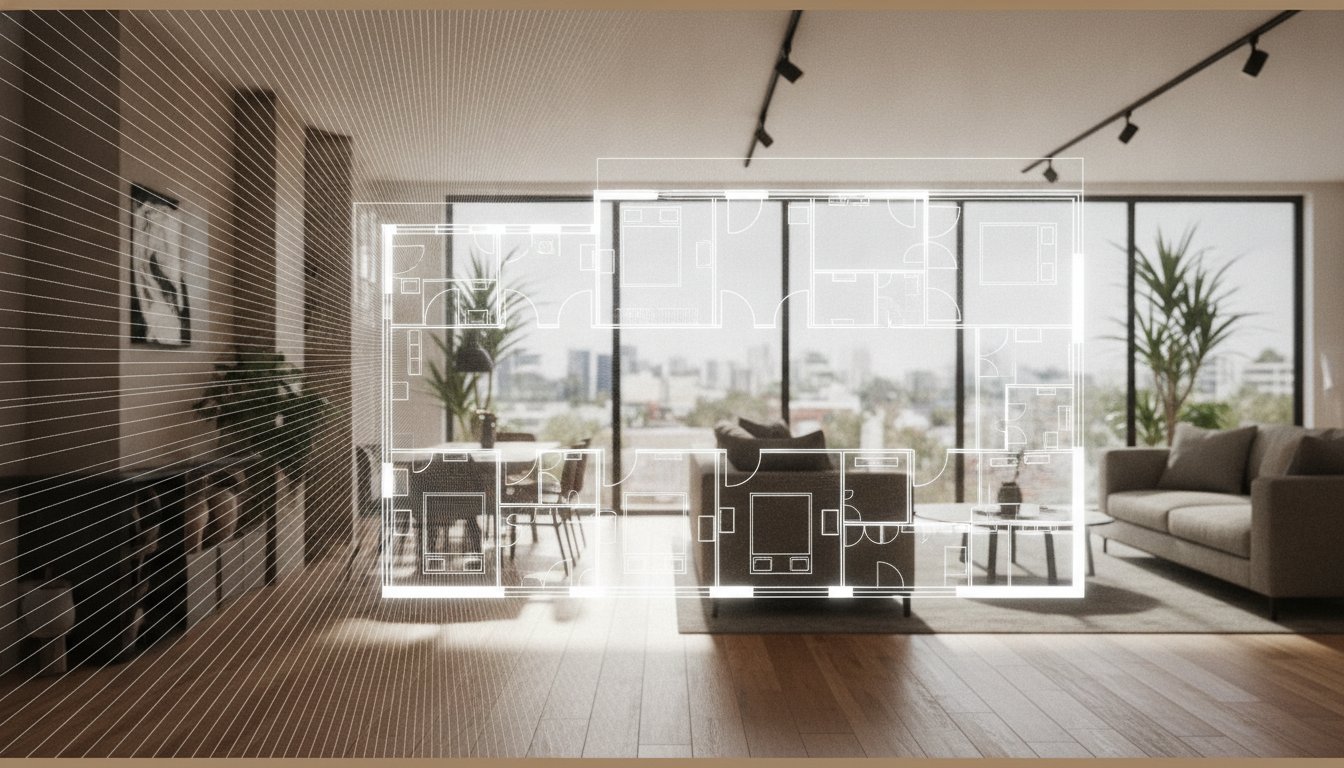
Maximising the roi on coliving property requires a shift toward the "Yield-per-Square-Metre" principle. Every hallway and corner must be scrutinised to eliminate wasted space. This isn't about making rooms smaller; it's about making the floor plan work harder. By focusing on architectural efficiency, you can often fit an additional self-contained suite into the same building footprint, which directly inflates your annual revenue without a proportional increase in construction costs.
Optimising Floor Plans for Maximum Occupancy
The days of shared bathrooms in rental properties are over. In the 2026 market, the ensuite-to-bedroom ratio is the primary driver of premium per-room rates. Tenants will pay significantly more for a self-contained suite than a room with a shared facility. However, you must balance this private space with functional communal areas to foster the community feel that reduces tenant turnover. We consult on smart floor plans that deliver this balance while ensuring the build remains cost-effective for your builder. If you're looking to double your land utility, exploring strategic duplex designs is a logical starting point for many residential blocks.
Future-Proofing Through Architectural Design
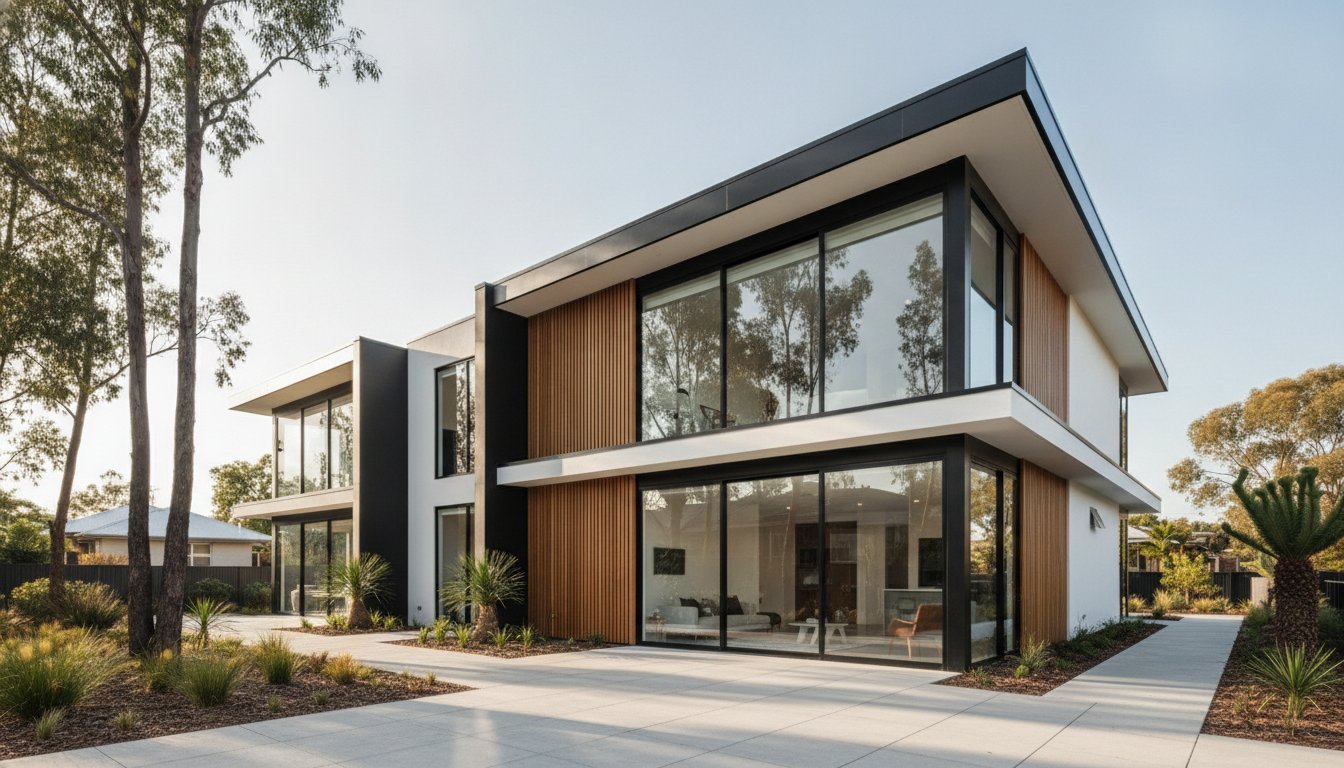
A high-yield property today must remain compliant and attractive tomorrow. This means designing for 2026 standards, specifically focusing on superior acoustics between rooms and seamless high-speed tech integration. You also need to stay ahead of evolving Australian rental regulations that govern shared housing. By manufacturing a compliance moat through architectural excellence, you protect your margins from future regulatory shifts. If you want to see how these principles apply to your specific site, you can review our latest project feasibility frameworks.

Executing Your Coliving Project: From Feasibility to Builder Appointment
The transition from a planning permit to a physical asset is where many investors lose their grip on margins. You've secured the density through town planning, but can you build it without the budget blowing out? The roi on coliving property isn't just won in the design phase; it's protected during execution. This requires a specialised approach to builder appointment. A standard residential builder might understand a four-bedroom home, but they often lack the expertise to handle the increased plumbing, electrical, and fire-safety requirements of a high-density coliving project.
A consultancy-led model manages the tender process to ensure you aren't overpaying for "perceived risk." We vet builders who have specific experience in multi-suite residential construction. As noted in a recent JLL report on co-living investment, the Australian market is maturing rapidly, attracting sophisticated capital that demands operational excellence. By managing the contract terms and tender process, a savvy specialist saves you more than their fee by preventing expensive variations and delays during the end-to-end development lifecycle.
Protecting Your ROI During Construction
Budget creep is the silent killer of investment returns. Independent consultancy acts as your shield, ensuring the project stays on track and within the original feasibility parameters. Fixed-price contracts with vetted builders are non-negotiable for ROI security. We ensure every detail, from the high-speed tech integration to the durable ensuite finishes, is locked in before the first sod is turned, giving you a clear path from a permit to a high-yielding physical asset. To ensure your finished development attracts premium tenants or buyers, visit UberRE for professional property marketing services that showcase your investment's full potential.
The Next Step for Your Land
Is your current block a coliving goldmine? The only way to know for sure is through a professional feasibility study. We provide a no-nonsense assessment of your property's potential, looking at local zoning, site constraints, and projected yields. If you're ready to stop settling for standard returns and start manufacturing a superior roi on coliving property, let's look at the numbers together. Reach out to Dual Living for a strategic review of your land's potential.
Secure Your Yield Advantage in 2026
The window for traditional residential yields is closing. Meanwhile, the opportunity for high-density, high-yield assets has never been stronger for the proactive investor. Success in the current market isn't about luck; it's about manufacturing value through meticulous design and aggressive town planning. By shifting to a per-room revenue model and leveraging density bonuses, you're not just buying a property; you're building a high-performance cash flow engine.
Protecting your roi on coliving property requires a partner who understands the end-to-end development lifecycle. From navigating complex town planning applications to securing a specialised builder appointment, every step must be calculated to avoid budget creep. We provide the deep expertise and specialised consultancy needed to turn your block into a high-yielding asset with total confidence. There's no room for guesswork when your margins are on the line.
Ready to see the hard numbers for your specific site? Book a strategic feasibility consultation for your coliving project today. Let's look at the data and start building your competitive advantage.
Frequently Asked Questions
Is a coliving property more profitable than a standard duplex?
Coliving properties generally outperform standard duplexes in terms of immediate cash flow and gross yield. While a duplex typically relies on two rental streams and yields around 4% to 5%, a coliving asset can generate five or six independent income sources from a similar building footprint. This diversification reduces vacancy risk and allows you to capture a significantly higher rent per square metre, often doubling the gross return seen in traditional dual occupancy models.
How do town planning regulations affect coliving ROI in Australia?
Town planning regulations act as the primary gatekeeper for the roi on coliving property. State specific incentives, such as the 10% floor space ratio bonus in NSW, allow for higher density which directly increases your total revenue potential. Conversely, failing to navigate local council requirements regarding car parking or communal open space can lead to a reduction in room counts. Professional planning ensures you maximise density while remaining fully compliant with the National Construction Code.
What are the typical management costs for a coliving investment?
Management costs for coliving are typically higher than the 5% to 7% charged for standard residential rentals, usually sitting between 10% and 12% of gross revenue. This fee covers more intensive tenant vetting, communal area cleaning, and the management of all inclusive utility accounts. Although the operational overhead is greater, the massive revenue uplift from the per room model means your net return remains substantially higher than a traditional "whole of house" lease.
Can I convert an existing residential design into a coliving property?
It's possible to adapt an existing design, but purpose built plans are almost always more efficient for your roi on coliving property. Standard residential layouts often include "dead space" like formal dining rooms that don't generate income. A specialised design ensures every bedroom has a private ensuite and meets the specific fire safety and acoustic standards required for high density living. Starting with a dedicated coliving plan avoids the expensive retrofitting costs often associated with standard project home conversions.