
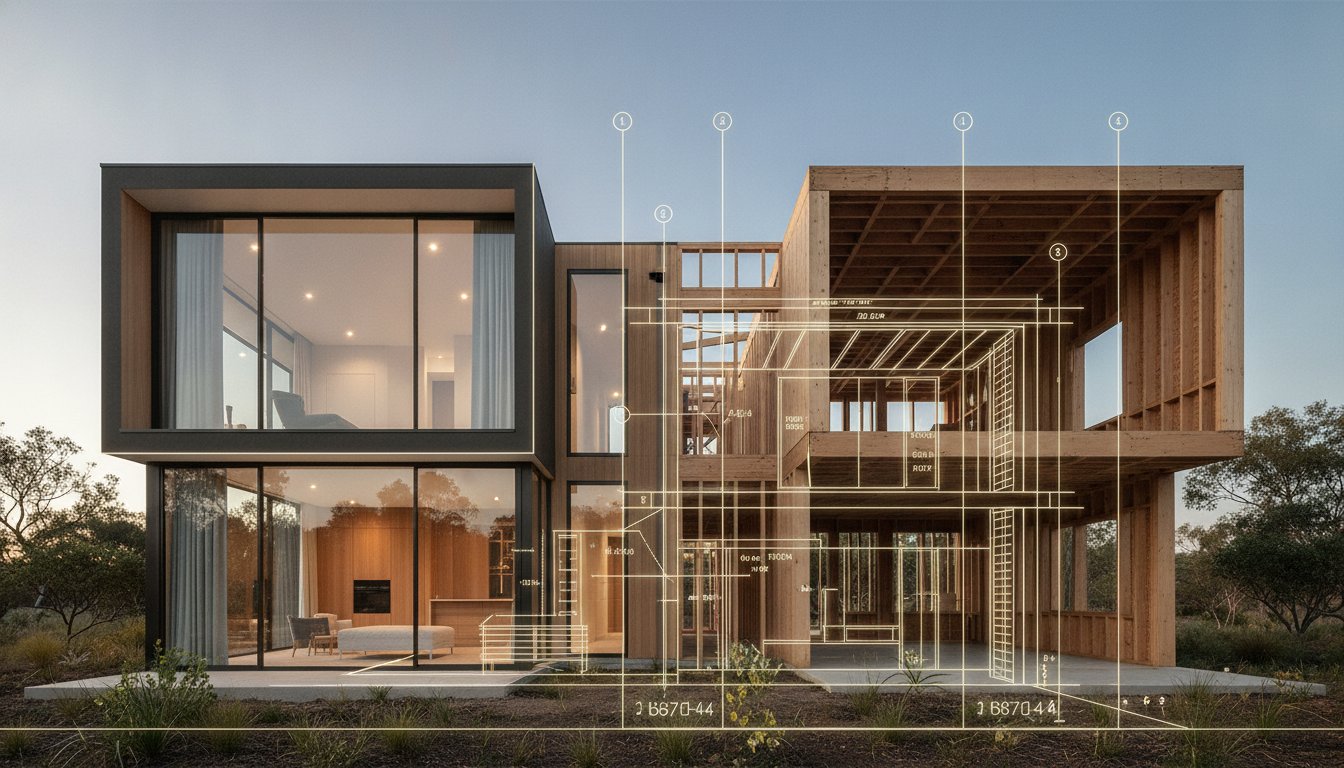
Why do so many residential developments stall at the town planning stage or bleed profit through "minor" builder variations? Most developers think they're saving money by self-managing, but the reality is often a slow drain on both time and capital. Securing full project management property development isn't about adding a line item to your budget. It's about installing a professional shield between your investment and the chaos of the construction industry. The difference between a site that sits idle and one that delivers a high yield is often found in the quality of the oversight.
It's natural to feel anxious about council rejections or the prospect of a builder blowout that erases your hard-earned margin. You shouldn't have to spend your weekends chasing consultants or deciphering complex town planning codes. This blueprint shows you how to reclaim your time while ensuring your project remains a streamlined success. We'll explore how to navigate the new 2026 AML/CTF compliance rules for Australian developers, secure fixed-price contracts with vetted builders, and move from initial design to final handover without the usual headaches. It's time to stop managing tasks and start managing your returns.
Key Takeaways
- Identify why the "Owner-Builder" trap frequently causes budget blowouts and how professional coordination secures your profit margin.
- Discover how a bespoke site analysis for a dual occupancy home maximises land value before the first brick is laid.
- Master the town planning process to ensure council permits align with your high-yield investment goals rather than hindering them.
- Understand the ROI of full project management property development by leveraging builder tension to secure a fixed-price contract.
- Identify common knockdown and rebuild pitfalls to avoid overspending on site preparation and unnecessary consultancy fees.
The Strategic Value of Full Project Management in Property Development
Success in the residential market isn't found in the construction phase alone. It's won or lost during the months of preparation that precede it. Full project management property development is the comprehensive coordination of design, council approvals, and builder procurement. It's a strategic framework designed to remove the guesswork from complex investments. Many developers fall into the "owner-builder" trap; thinking they can save money by juggling consultants themselves. This often leads to planning stalemates and budget blowouts that can exceed 20% of the initial estimate. Professional oversight ensures you aren't just building; you're optimising.
A critical mistake is allowing your builder to act as your project manager. While builders understand construction, their interests aren't always aligned with your investment yield. An independent consultant utilises professional project management techniques to maintain builder tension and ensure every variation is scrutinised. This de-risks the built environment by identifying site constraints like hidden easements or soil issues before the first shovel hits the ground. It's the difference between a reactive crisis and a proactive plan.
An independent consultant acts as the single point of truth for the developer. They vet every consultant, from land surveyors to civil engineers, ensuring that no one is over-quoting or under-delivering. This level of oversight requires meticulous administrative organisation; many professional firms utilise high-quality labelling systems from DymoOnline to keep physical project files and site equipment clearly categorised. Without this layer of protection, you're at the mercy of the market's loudest voices. By centralising communication, you stop the information leakage that typically derails mid-sized residential projects.
The Three Pillars of Development Risk Mitigation
- Design Optimisation: We focus on floor plans that don't just look good but maximise market appeal and rental yield. Every square metre must work for your balance sheet. Poor design is a permanent tax on your ROI.
- Planning Certainty: Navigating town planning applications requires precision. We manage the process to avoid costly Request for Information (RFI) cycles that delay your project by months and increase holding costs.
- Financial Control: We establish a realistic feasibility study before you commit to demolition. This includes vetting builder quotes against current 2026 market rates to ensure your fixed-price contract is actually achievable for the builder.
Case Study: Navigating a High-Yield Dual Occupancy Development
To understand how full project management property development functions in practice, consider the lifecycle of a high-yield dual occupancy project. It starts with a rigorous site analysis. We don't just look at the land; we look at the potential. Creating a bespoke dual occupancy home strategy involves balancing council regulations with market demand. If the design doesn't maximise the site's footprint, you're leaving money on the table before you've even cleared the block.
Once the design is locked, we move into the town planning phase. This isn't a "submit and hope" exercise. It's about active management to ensure the final permit aligns perfectly with your investment goals. Professionals who develop critical project management skills know that a permit with restrictive conditions is as bad as a rejection. We negotiate with council officers to protect your yield. This leads directly into the builder tender, where competitive tension is used to strip away inflated margins. Finally, construction oversight ensures the owner's representative is on-site, verifying that every detail of the brief is met on time, proving the value of full project management property development.
The Critical Builder Appointment Phase
This is where most DIY developers lose their profit. A professional builder appointment process prevents "variation shock" by ensuring the initial contract is comprehensive. We don't just pick a builder; we run an independent tender. This allows us to compare "apples with apples" across multiple qualified companies. By scrutinising the fine print, we ensure the contract protects you, not just the builder's bottom line. If you're looking to scale your portfolio, optimising your project pipeline through expert oversight is the only way to ensure consistent returns.

The ROI of Professional Oversight: Why DIY Costs More
Many developers view a project manager as a cost centre. This is a fundamental misunderstanding of the balance sheet. In a typical residential project, the management fee is often recovered several times over through the removal of builder "fat" and the avoidance of costly variations. When you engage in full project management property development, you aren't just paying for coordination; you're buying a profit protection strategy. Builders tend to include high contingencies when project documentation is vague. We eliminate that ambiguity.
While the focus here is residential, the same principles of turnkey project management apply to industrial developments; for example, A1 Precision Solutions provides specialised warehouse fitouts Australia to help developers turn industrial shells into high-functioning, income-producing assets.
Site preparation is the most common area for overspending, especially during a Knockdown and Rebuild. Without expert oversight, developers often face "unexpected" costs for asbestos, service upgrades, or complex soil conditions. These aren't just bad luck. They're usually the result of poor pre-construction due diligence. A professional manager identifies these constraints before you sign a contract, ensuring the builder's price is actually fixed. It's about finding savings in the fine print that an amateur would miss.
The final outcome of a managed project is reflected in the valuation. Superior design and execution don't just make a building look better; they make it worth more. Whether you're holding for yield or selling for profit, the bank's valuer looks for quality and compliance. Our role concludes with a seamless final handover. We ensure every defect is rectified and every certificate is issued, so your transition from construction to occupancy is immediate and profitable.
Maximising Your Exit Strategy
Designing for the Coliving market is a specific strategy for those seeking ultra-high rental yields. This requires a nuanced understanding of shared spaces and private amenities that most standard builders don't possess. We manage this complexity to ensure your property hits the market with maximum appeal. Additionally, we coordinate subdivision management early. Turning one title into two unlocks equity faster, allowing you to recycle capital into your next project without delay.
Secure Your Development Future
Success in the 2026 property market requires more than just a good site. It demands a rigorous, business-minded approach to execution. By shifting away from the "Owner-Builder" trap and embracing professional oversight, you eliminate the variables that typically erode profit margins. You've seen how competitive builder tension and strategic town planning applications transform a risky site into a high-yield asset. Investing in full project management property development is the single most effective way to insulate your capital from market volatility and ensure your exit strategy remains on track.
Dual Living specialises in high-yield residential developments, providing end-to-end management from the initial design to the final builder appointment. We bring a proven track record in complex town planning applications, ensuring your project meets every regulatory requirement without sacrificing yield. Don't leave your investment to chance when you can leverage a seasoned consultant's expertise. Book a Strategic Consultation with Dual Living today and take control of your next project. Your path to a streamlined, high-return development starts with a single strategic decision.
Frequently Asked Questions
What is the difference between a project manager and a builder?
A project manager acts as your independent representative, while a builder is a contractor hired to execute a specific scope of work. The manager oversees the entire lifecycle, including design and council approvals, before the builder is even appointed. This separation of powers is vital. It ensures your interests are protected during the construction phase, especially regarding variations, quality control, and adherence to the original investment brief.
How much does full project management for property development cost?
Fees for full project management property development are generally structured as either a fixed fee or a percentage of the total project cost. While specific rates vary based on project complexity and the level of oversight required, the investment is typically offset by the savings found during the builder tender phase. By removing builder "fat" and preventing costly variations, a professional manager often pays for themselves before construction begins.
Can I hire a project manager if I already have my own architectural designs?
You can certainly engage a project manager even if you already possess architectural plans. We often step in to audit existing designs for market appeal and construction feasibility before moving into the town planning phase. A fresh set of eyes can identify yield-maximising opportunities that may have been missed; this ensures your designs are actually ready for a competitive builder tender and highly profitable execution.
Does a project manager guarantee that my town planning application will be approved?
No professional can guarantee a council approval; however, a project manager significantly increases your chances of success. We mitigate risk by conducting thorough due diligence and ensuring designs comply with local planning schemes before submission. Our experience with complex applications allows us to navigate council requests for information efficiently, protecting your timeline and ensuring the final permit aligns perfectly with your ultimate investment goals.