Is your property working as hard as it should be, or is your equity trapped behind an underutilised backyard? Most Australian landowners view a residential subdivision as a bureaucratic nightmare filled with hidden infrastructure costs and shifting council regulations. It's a common frustration. You might even find yourself confused between the limits of a dual occupancy and the long-term wealth creation of a full subdivision. The difference often comes down to hundreds of thousands of dollars in untapped land value.
We understand that the 2026 property market requires a more calculated approach than previous years. While financing costs have stabilised, the margin for error has thinned. This guide provides the strategic roadmap you need to unlock your land's financial potential with total confidence. You'll learn how to assess feasibility, manage planning complexities, and identify the exact moment to engage a consultant to protect your investment. We're moving past the guesswork to focus on tangible, high-impact results for your property portfolio.
Key Takeaways
- Identify why shifting density requirements in 2026 create a unique window for land optimisation.
- Follow a rigorous five-step roadmap for residential subdivision to eliminate the risk of over-capitalising.
- Solve the execution gap that prevents approved projects from reaching the final titling and construction stages.
- Compare the strategic ROI of a knockdown and rebuild project against a traditional backyard split.
The Strategic Case for Residential Subdivision in 2026
At its core, a residential subdivision is the legal process of partitioning a single land title into two or more distinct entities. While the history of land subdivision stretches back centuries, the 2026 property market has transformed this process into a high-stakes wealth-generation strategy. Why is 2026 the critical year? We're seeing an aggressive push for zoning reform to address chronic housing shortages across Australia. Local councils are prioritising "missing-middle" housing, such as duplexes and townhouses, creating a unique window for landowners to capitalise on increased density. Even with construction loan rates stabilising between 6.5% and 9.5%, the potential for manufactured equity remains the most reliable path to financial growth.
The primary objective is to transform a single, underutilised asset into multiple high-yield revenue streams. You aren't just dividing dirt; you're creating value where none existed before. By splitting a block, you multiply the utility of your land and create a level of financial flexibility that a single-dwelling property cannot match. This is about unlocking the capital currently trapped in your backyard to fund your next project or secure your long-term retirement goals. In a market where land is the scarcest commodity, density is your greatest competitive advantage.
Subdivision vs. Dual Occupancy: Choosing Your Path
Many owners confuse these two distinct strategies. A dual occupancy typically keeps both dwellings on a single title. This is often a faster route to rental yield, but it significantly limits your exit strategy. In contrast, a full subdivision creates separate titles for each lot. This distinction is vital for liquidity. Separate titles generally offer much higher market appeal and resale value because they allow for individual sales. If you're deciding which model fits your specific financial goals, our Strategic Guide to Dual Occupancy Homes explores how to choose the right path for long-term growth.
Navigating the Subdivision Process: Feasibility and Planning
A successful residential subdivision isn't a matter of luck. It's the result of a disciplined, five-step strategic roadmap: Feasibility, Design, Planning, Certification, and Titling. Most failed projects share a common flaw. They start with design before confirming feasibility. We advocate a "Feasibility First" mantra. This approach ensures you don't over-capitalise on a site that lacks the physical or legal capacity to yield a profit. Before you draw a single line, you must interrogate land size, zoning restrictions, and specific local overlays that dictate everything from vegetation protection to bushfire risk.
Infrastructure is the often-overlooked variable that can break your project's ROI. Can the existing sewerage, water, and power networks support additional dwellings? Upgrading these connections is a significant capital expense that must be accounted for early. Integrating sound principles of subdivision design ensures that your lot layout is functional, marketable, and compliant with modern standards. If the numbers don't work at this stage, the project shouldn't proceed. It's better to walk away from a bad deal than to fund a loss.
The Critical Role of Property Development Feasibility
A professional feasibility study is your most powerful tool for risk mitigation. It unearths "hidden" costs like open space contributions and council headworks charges that can drain your margins. These aren't just suggestions; they're mandatory financial obligations. To ensure you've covered every variable, use our Property Development Feasibility Checklist to audit your site's potential before committing capital.
Securing Your Town Planning Application
Your town planning application is the gateway to your project's success. It requires more than just filling out forms; it's about demonstrating total compliance with local planning schemes. Smart design choices significantly impact approval speed. By respecting community amenity and local character, you reduce the likelihood of costly delays or council objections. If you want to streamline this process, our team can help you prepare a compliant strategy that aligns with your financial goals.

Executing Your Subdivision Strategy: From Approval to ROI
Approval is only half the battle. A staggering number of residential subdivision projects stall after receiving council consent because owners underestimate the technical requirements of the construction phase. This "execution gap" is where profit margins often evaporate through indecision or poor project management. To avoid this, you must treat your permit as a live asset that requires immediate action. It's the bridge between a theoretical gain and a realised bank balance.
One of the most effective ways to maximise land value in 2026 is through a strategic Knockdown and Rebuild. While subdividing a vacant backyard is a common entry point, starting with a clean slate often allows for a more efficient lot layout and superior dwelling designs. This approach eliminates the constraints of an existing, poorly positioned house and allows you to optimise the site for high-yield outcomes like duplexes or coliving spaces. Once the physical infrastructure is in place, your surveyor will lodge the "Plan of Subdivision." This is the final milestone where the Land Registry issues new, individual titles, officially turning your single asset into multiple tradable commodities.
Builder Appointment and Project Management
Selecting a partner for the build is as critical as the planning itself. "Standard" residential builders often lack the expertise to handle the complexities of a residential subdivision site, such as shared service trenches or restrictive easements. You need a specialist who understands the nuances of multi-unit developments and the sequencing of civil works. Securing a Strategic Builder Appointment ensures that your construction partner is aligned with your timeline and financial targets from day one.
The Value of an End-to-End Development Consultant
A professional consultant acts as the bridge between your town planner, surveyor, and builder. They manage the inevitable friction that arises during the transition from paper approval to physical titling. This no-nonsense oversight prevents the minor delays that typically erode ROI. By maintaining a clear line of communication across all trades, a consultant keeps the project moving toward completion without the typical stresses of self-management.
Securing Your Financial Future Through Strategic Land Use
The 2026 property market doesn't reward hesitation; it rewards calculated action. Successfully navigating a residential subdivision requires more than just a large block of land. It demands a rigorous commitment to a "Feasibility First" approach and a clear understanding of how evolving density regulations can be leveraged for maximum gain. By moving from a single-asset mindset to a multi-dwelling strategy, you effectively manufacture equity that remains resilient regardless of broader market fluctuations.
Professional oversight is the differentiator between a project that stalls and one that delivers a high-yield ROI. We bring over 10 years of experience in high-yield residential development to your project. Our team provides end-to-end management, handling everything from town planning applications to strategic builder appointment. We are specialists in duplex and coliving strategies, ensuring every variable is optimised for success. Maximise your land value with a Dual Living strategic consultation and take the first step toward unlocking your property's true financial potential. Your land is ready for its next chapter.
Frequently Asked Questions
What is the minimum land size for a residential subdivision in Australia?
The minimum land size depends entirely on your local council's planning scheme and the specific zoning of your lot. While requirements vary across the country, a standard two-lot split typically requires a total area between 600sqm and 800sqm. High-density zones near transport hubs may allow for smaller footprints. You must check both the minimum lot size and the required frontage width in your local planning overlay before committing capital.
How much does a residential subdivision cost on average?
Costs for a residential subdivision are highly variable and depend on the site's complexity and the required infrastructure upgrades. You'll need to budget for council application fees, professional surveyor services, and town planning fees. Significant expenses often arise from "headworks" charges and the physical connections for sewerage, water, and power. Because these costs shift based on site conditions, a professional feasibility study is essential to quantify your specific financial obligations.
How long does the subdivision process take from start to finish?
You should allow a realistic timeline of 12 to 18 months from the initial feasibility study to the issuance of new titles. This window accounts for the time required for town planning assessments, council referrals, and the completion of civil works. Delays often occur during the certification and titling stages at the Land Registry. Professional project management is the most effective way to keep your development on track and avoid the longer end of that 18-month estimate.
Do I need to knockdown my existing house to subdivide?
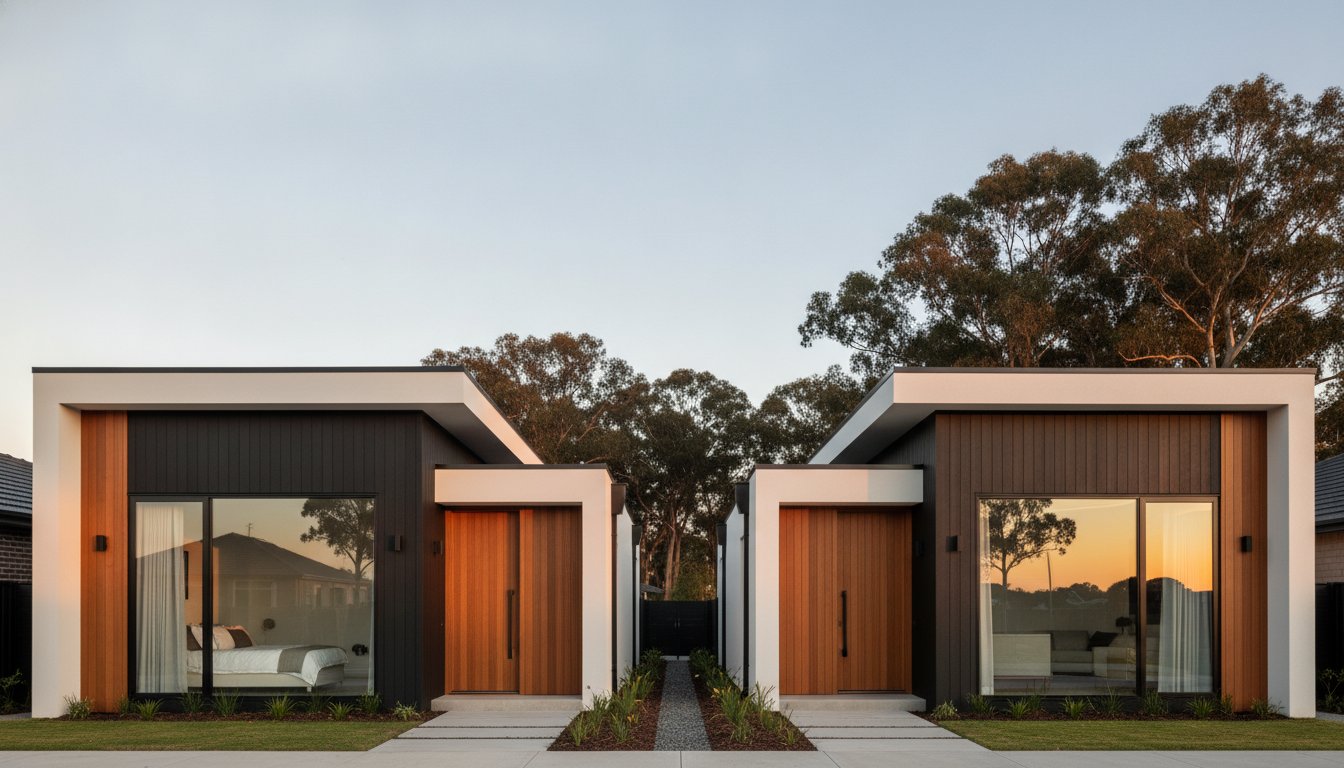
You don't always need to demolish your home to subdivide, but your choice will dictate the development's layout and ultimate market value. A "battle-axe" subdivision allows you to retain the existing dwelling while creating a new lot in the backyard with a private driveway. Conversely, a full knockdown and rebuild is often required for side-by-side duplexes or high-density designs. This approach usually offers higher liquidity and a more cohesive aesthetic for the final project.